
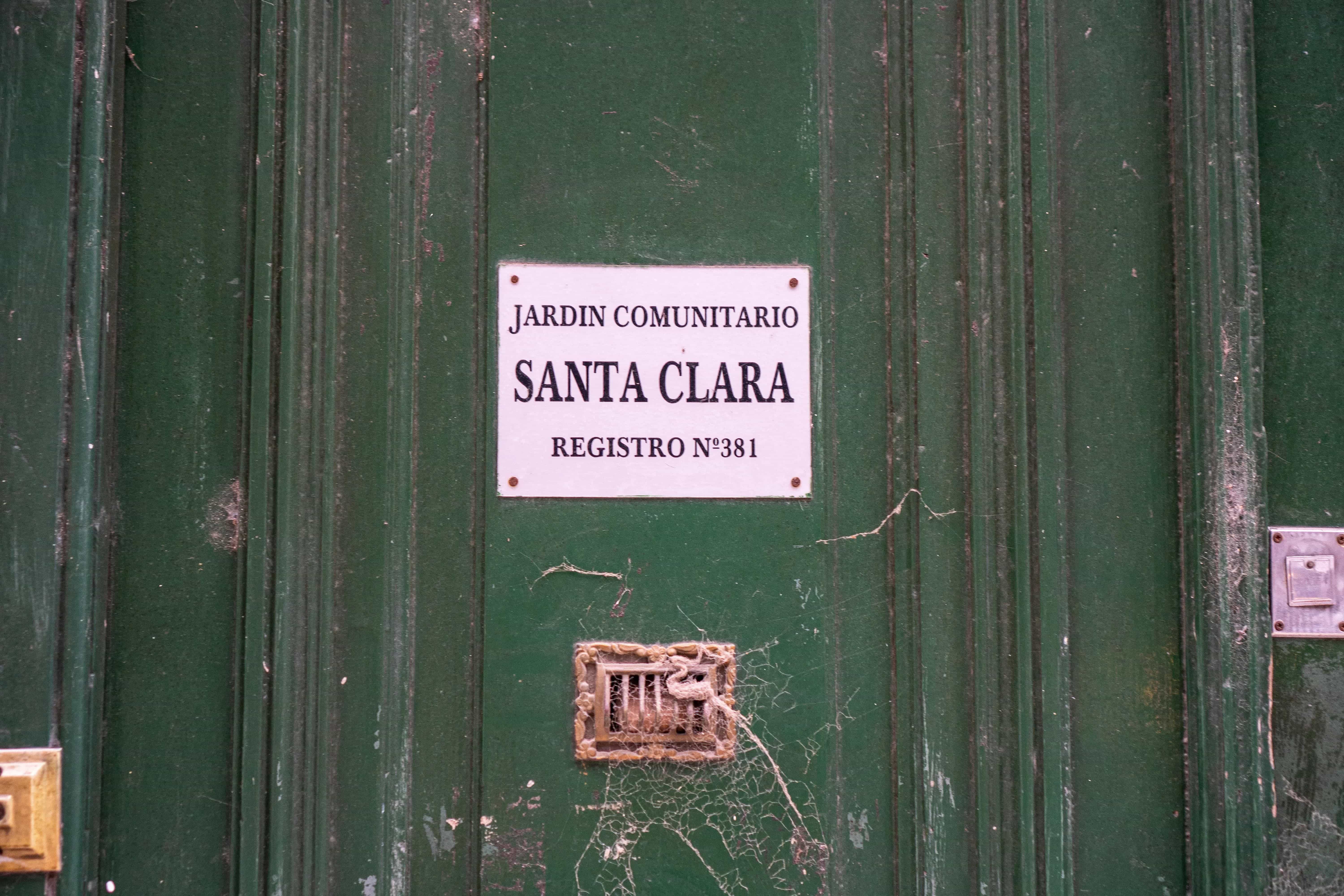
A Year in the Old Neighborhood: A Seasonal Calendar of Slow Urban Life
Rather than treating nostalgia as a single snapshot, this article maps how weather, festivals, errands, and routines shape the neighborhood across a full year.
Category Archive
Explores the sensory rhythms, shared memories, and everyday rituals that make retro neighborhoods feel emotionally alive.
Hot Picks
Start with the most visible story in this archive, then continue with the strongest supporting reads.
Rather than treating nostalgia as a single snapshot, this article maps how weather, festivals, errands, and routines shape the neighborhood across a full year.

Ordinary seating, from benches to stoops, turns leftover space into a social commons and helps old streets stay visibly alive.
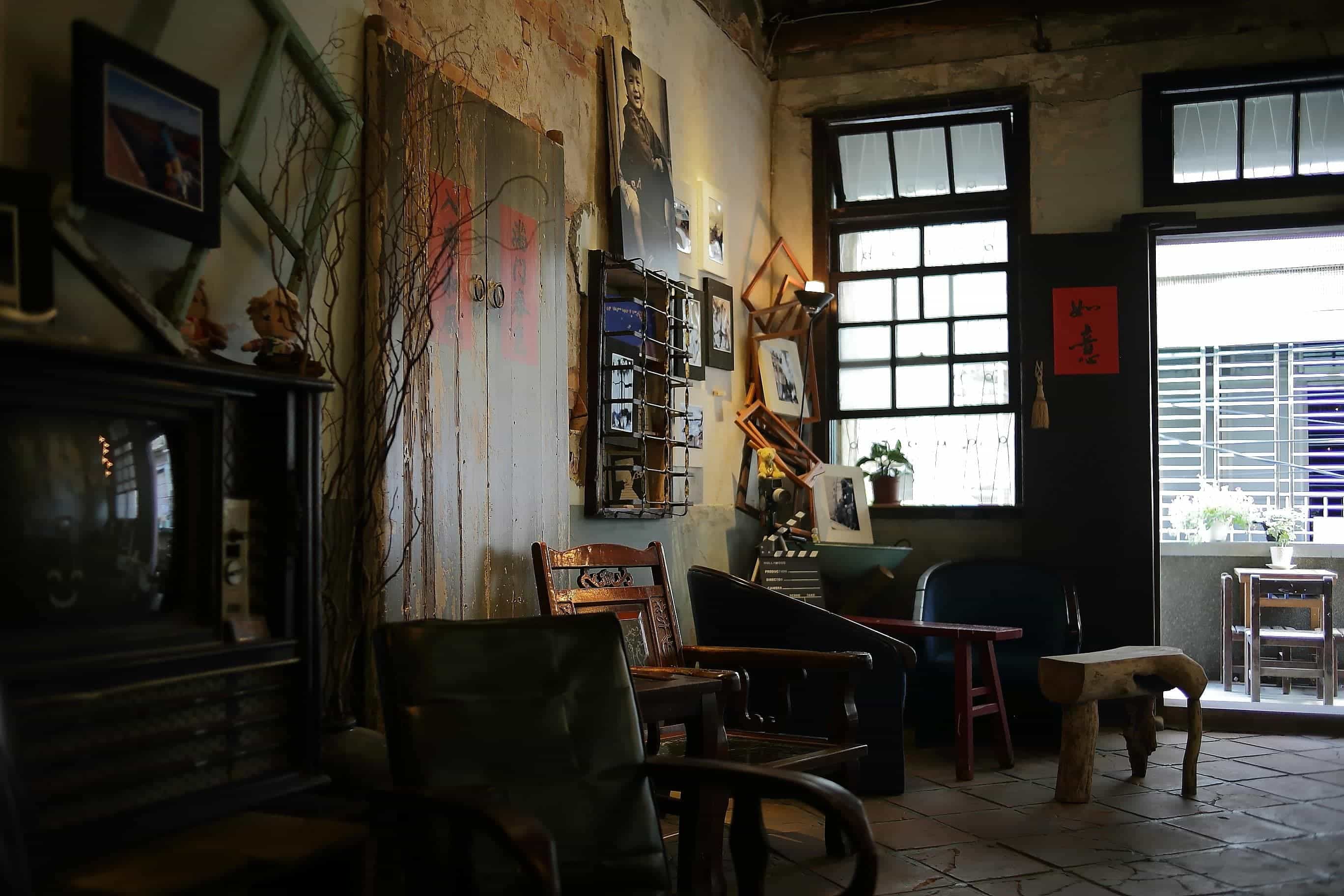
Three generations read the same street differently, but together they show how old neighborhoods carry family history and civic meaning at once.
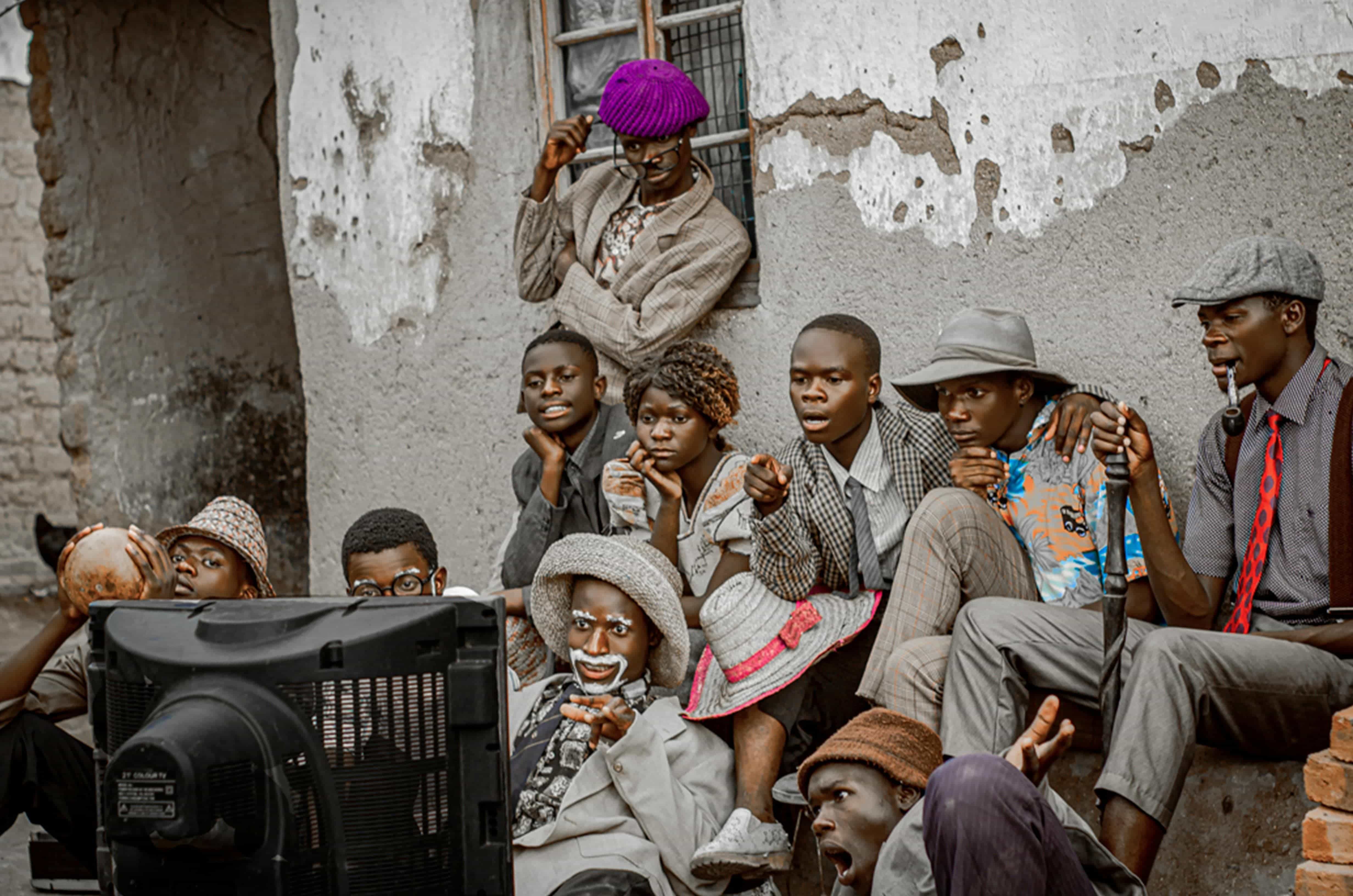
This piece pushes back on easy stereotypes and argues that old neighborhoods work because memory, trust, and daily legibility are built into ordinary life.
All Articles
Browse every remaining article in this category with the same visual rhythm used on the homepage.
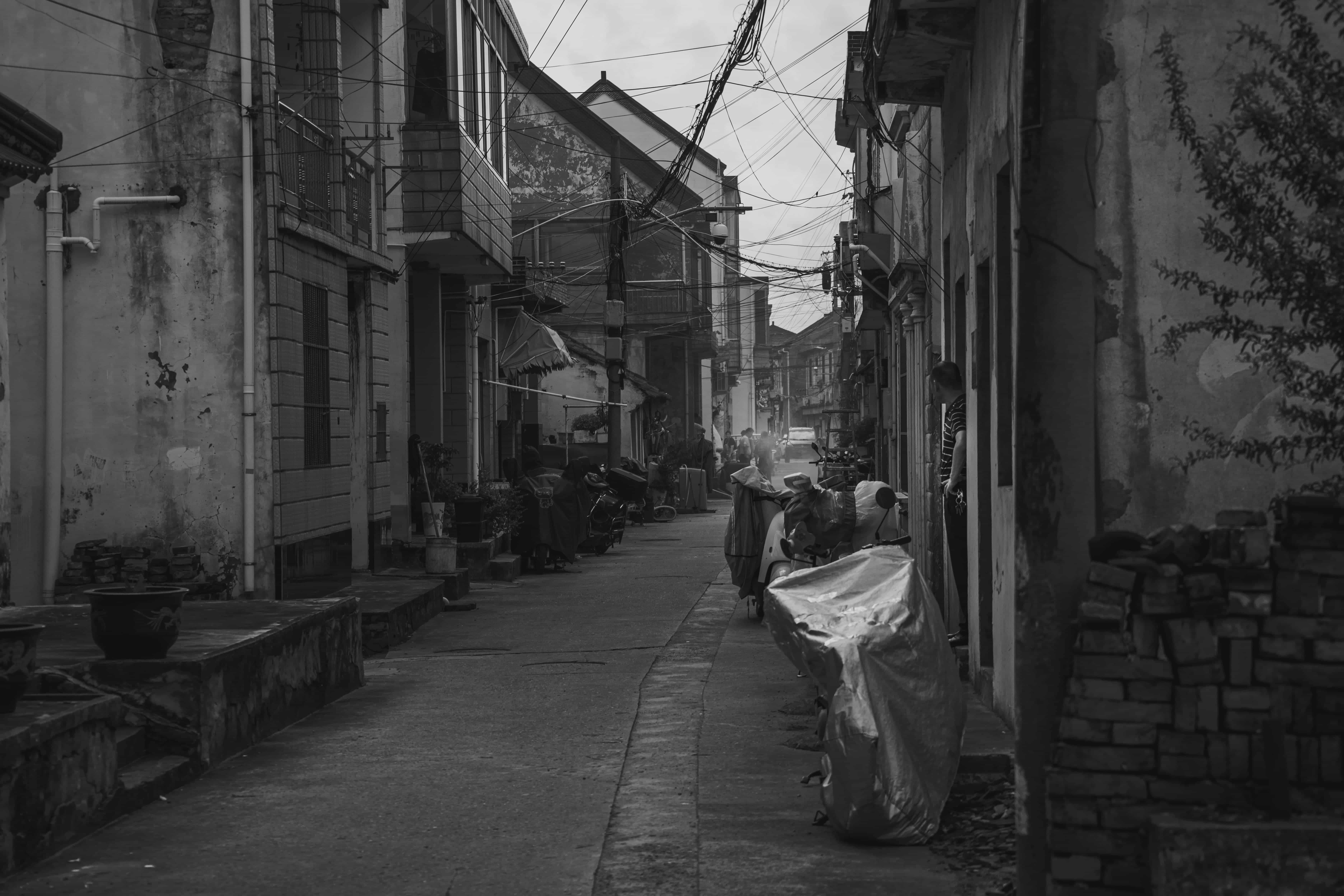
A vivid street-level narrative shows how stools, shop shutters, breakfast steam, and familiar routines quietly bring an old block back to life.
Read articleThis piece pushes back on easy stereotypes and argues that old neighborhoods work because memory, trust, and daily legibility are built into ordinary life.
Read article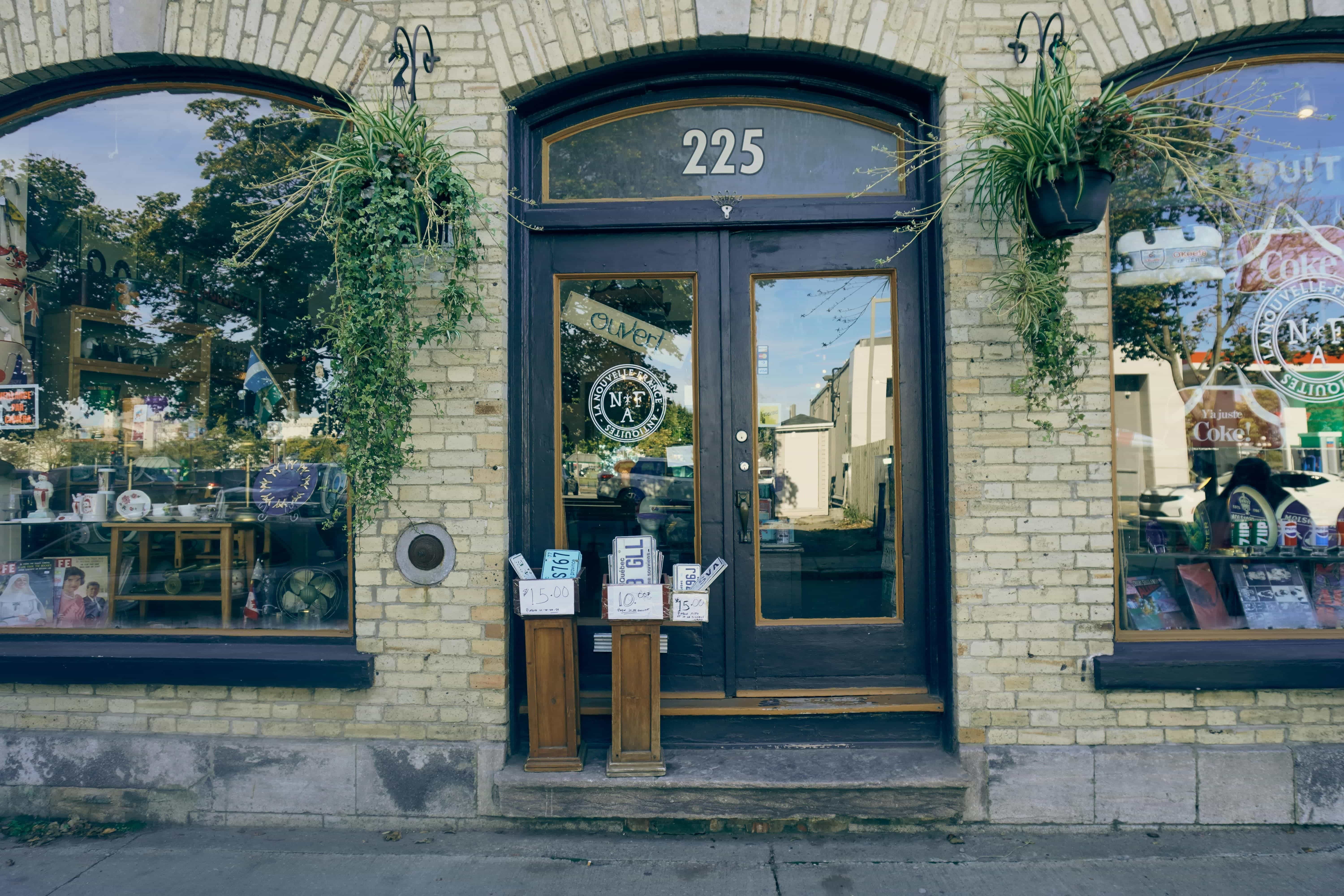
From shutters and vendors to footsteps and courtyard voices, the article explains how repeated neighborhood sounds create memory and belonging.
Read article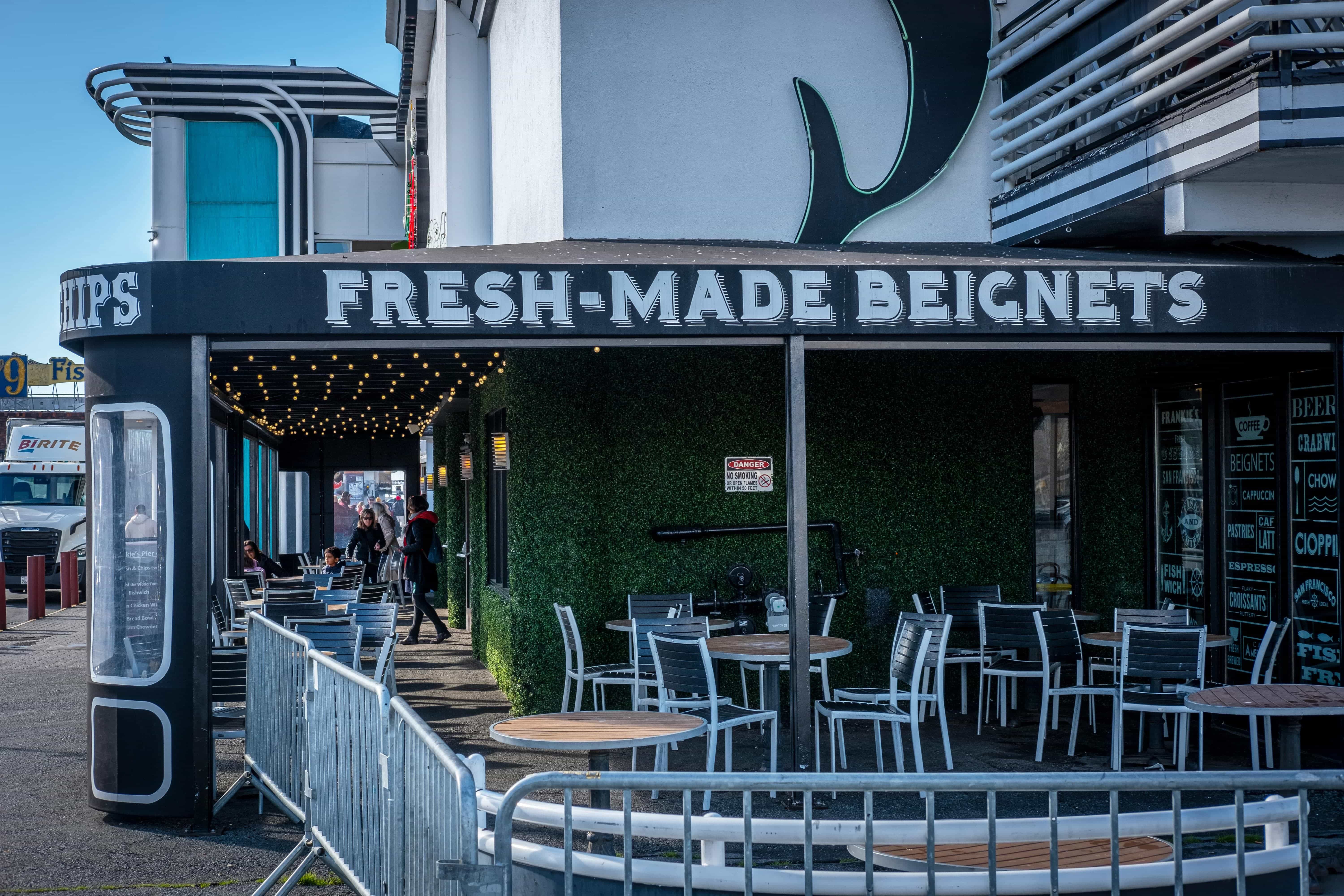
A slow observational walk reveals that the character of an old street is best understood through pacing, attention, and the feel of lived-in details.
Read article
Laundry rails, open doors, stools, and improvised thresholds reveal how small domestic gestures give nostalgic streets their social texture.
Read article
The article asks what retro neighborhoods still offer children today, focusing on freedom, informal learning, and shared memory across generations.
Read articleThree generations read the same street differently, but together they show how old neighborhoods carry family history and civic meaning at once.
Read articleRather than treating nostalgia as a single snapshot, this article maps how weather, festivals, errands, and routines shape the neighborhood across a full year.
Read article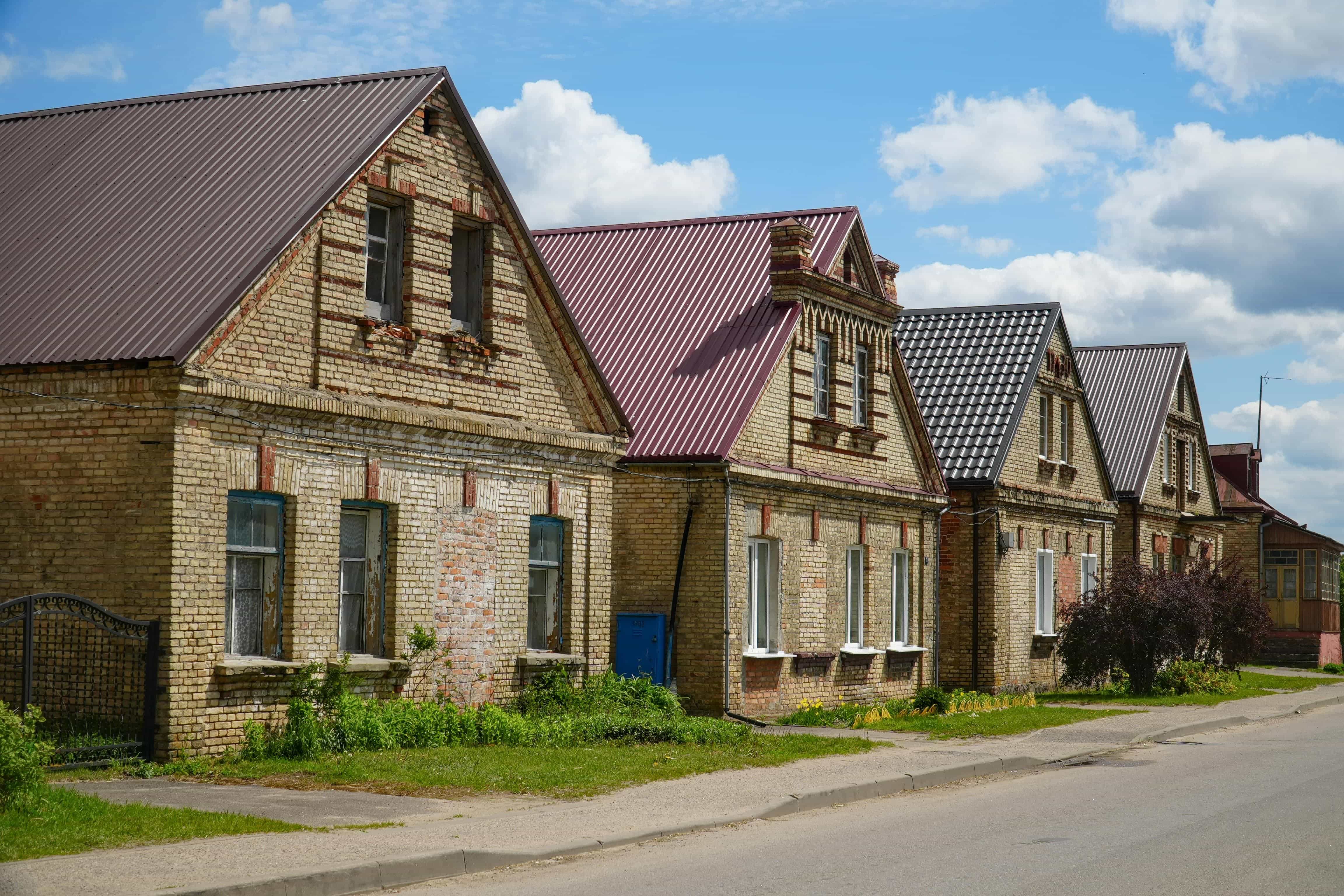
Early-morning market activity reveals the working logic of old districts, where deliveries, breakfast, and daily trust begin before the city fully wakes.
Read article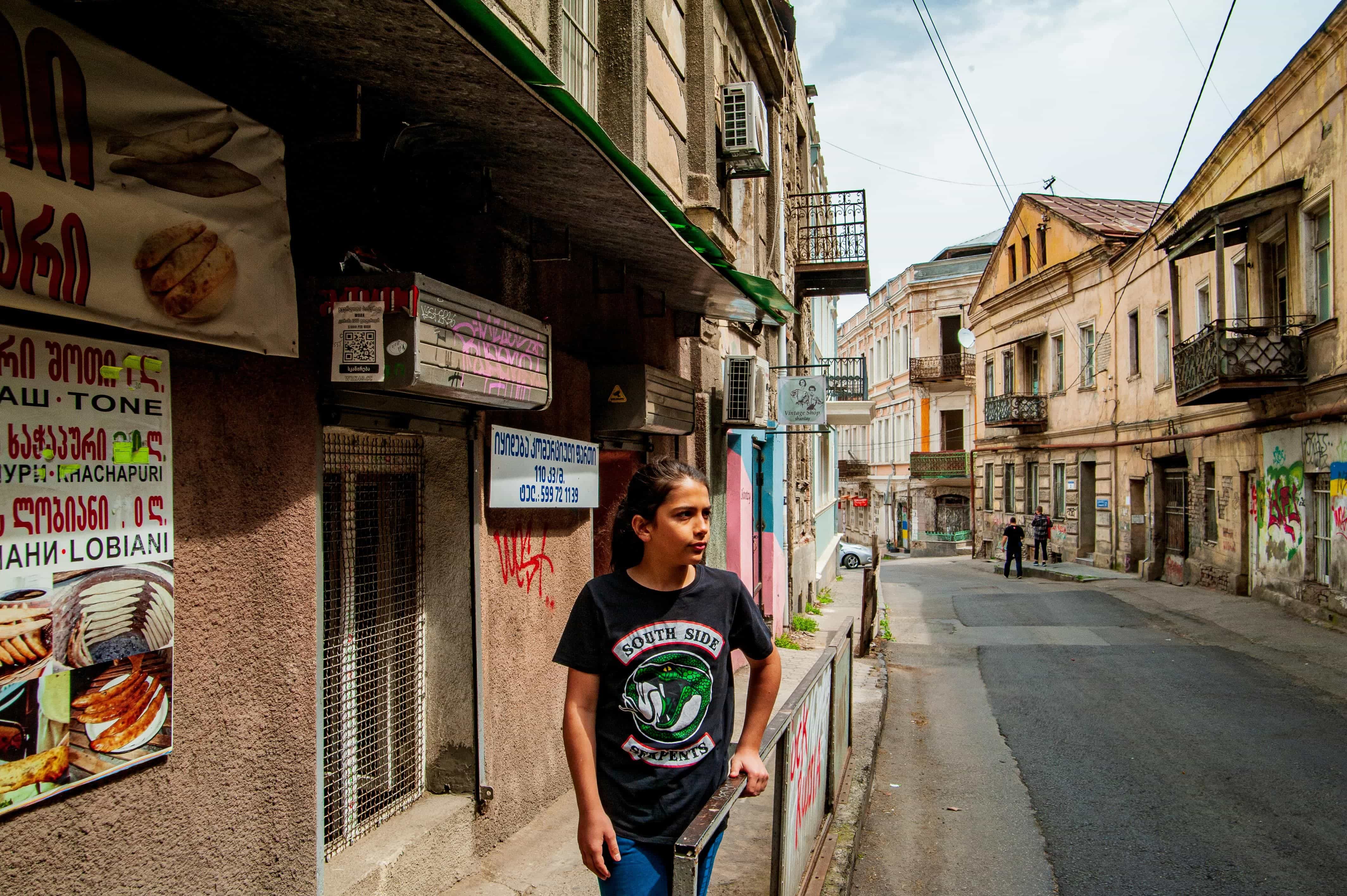
Handwritten notices and local flyers act as a low-tech communication system that keeps retro communities connected in practical, visible ways.
Read article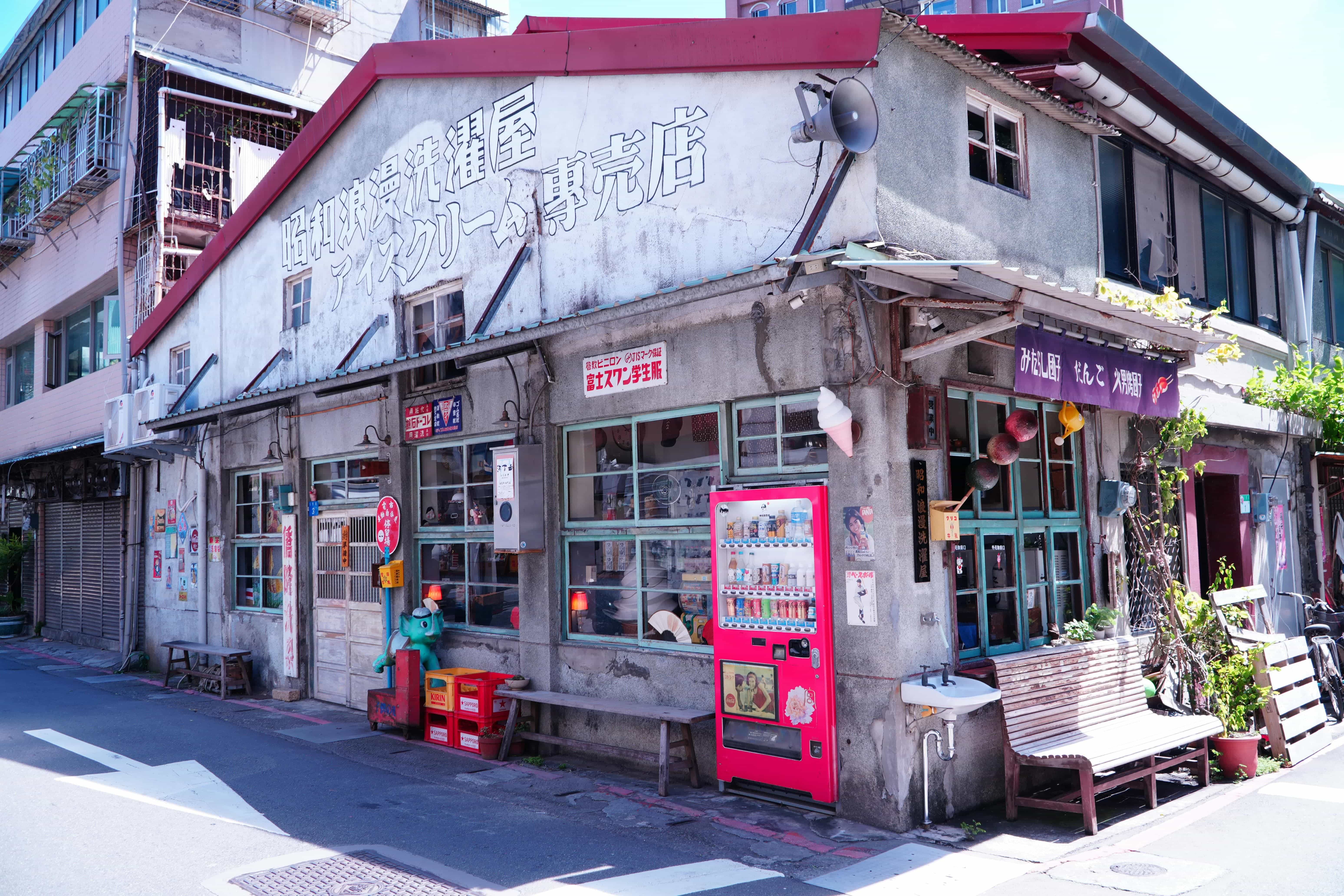
As dusk changes the pace of the street, food stalls, chairs, lights, and returning residents reveal the neighborhood's most social and legible hours.
Read articleOrdinary seating, from benches to stoops, turns leftover space into a social commons and helps old streets stay visibly alive.
Read article
Visitors may see authenticity while residents see obligation, memory, and routine, making the same street mean very different things to each group.
Read article