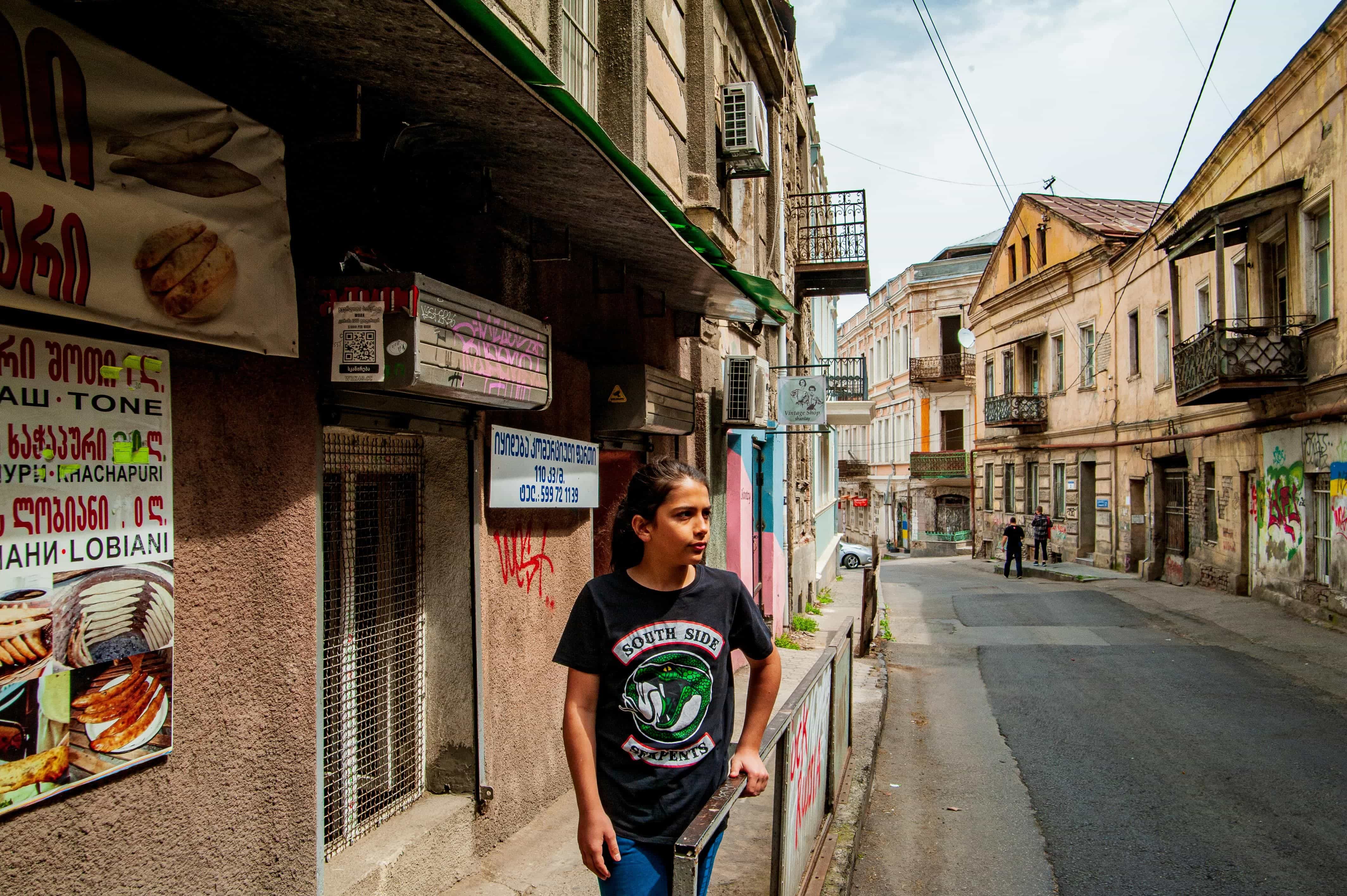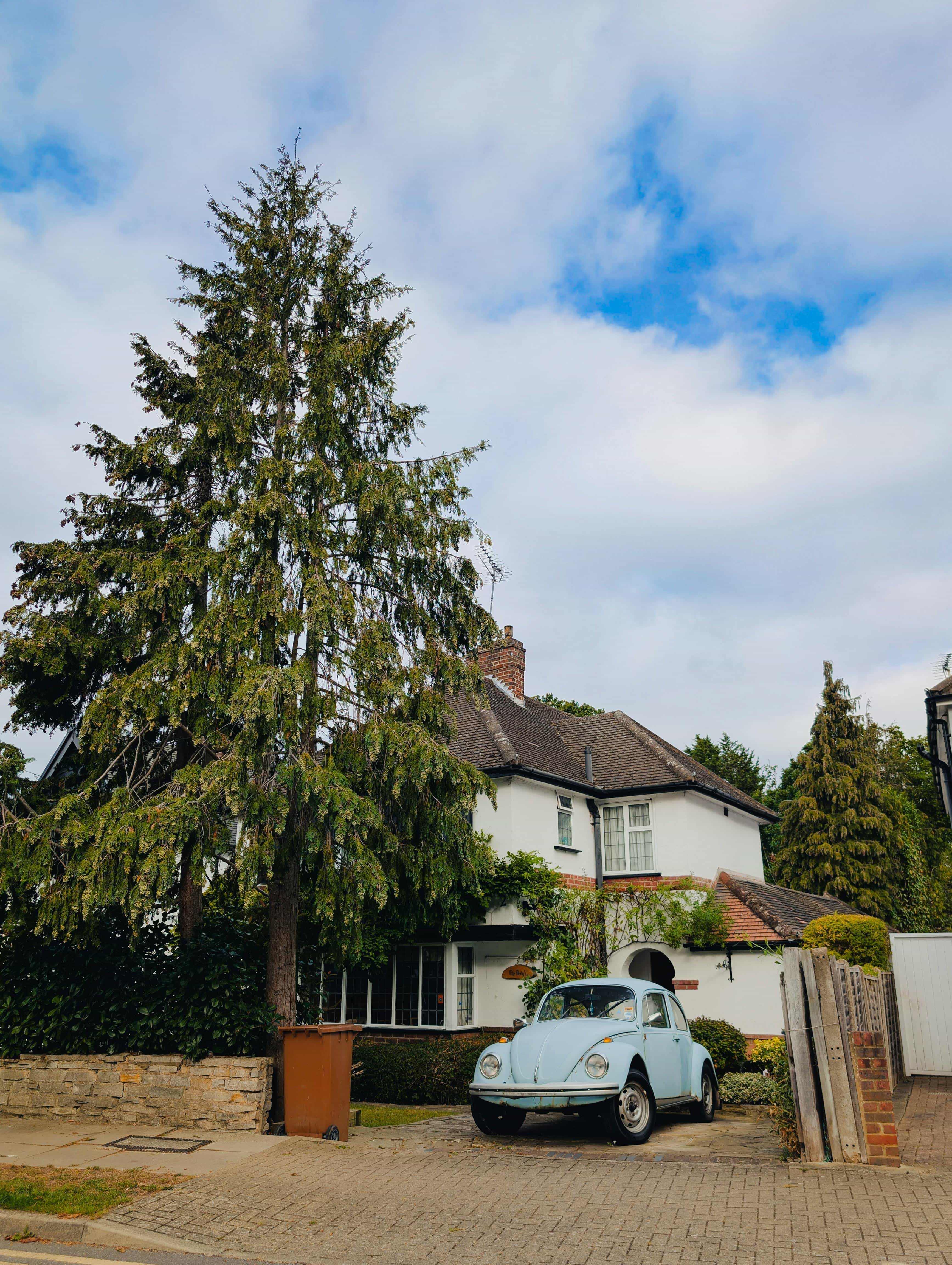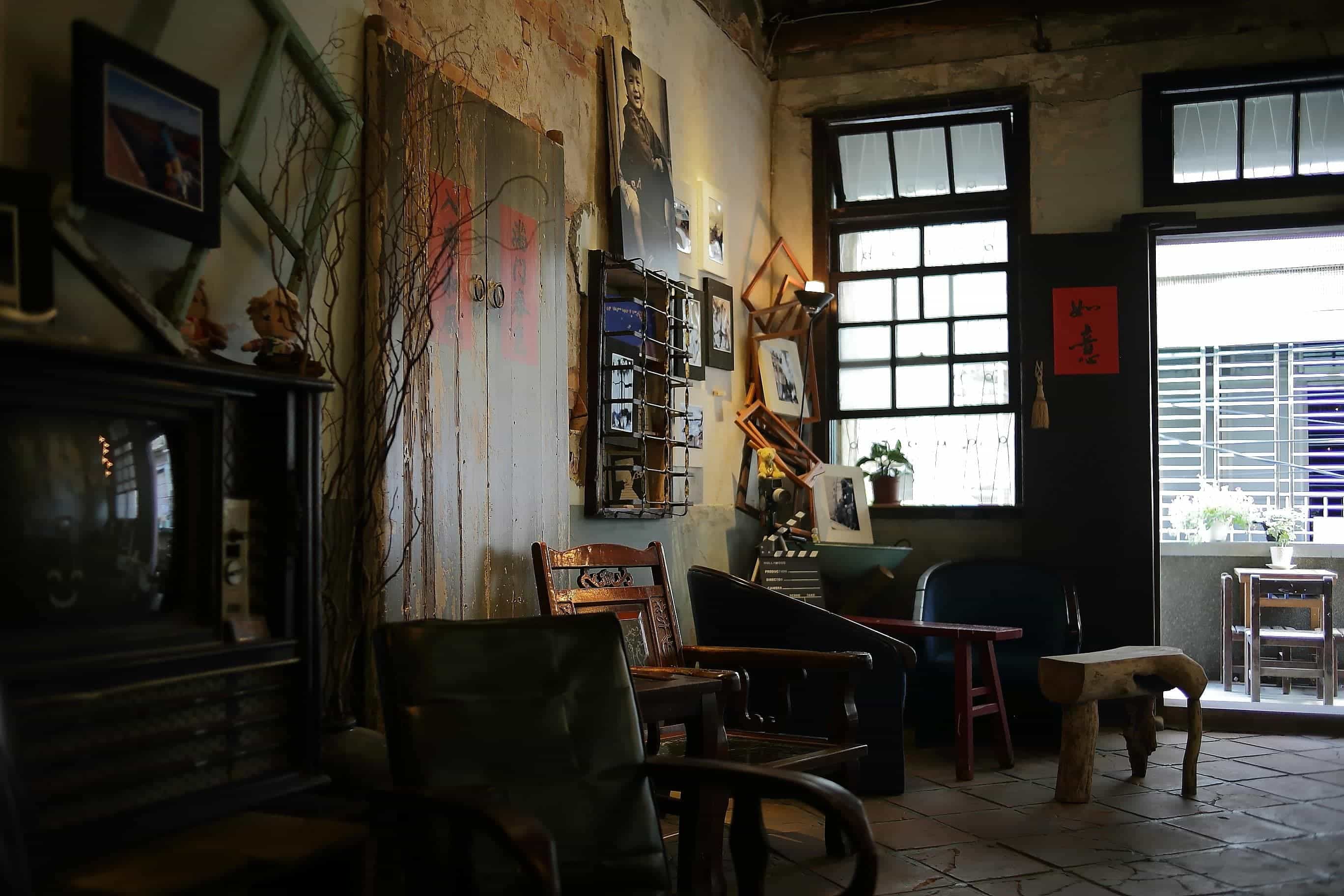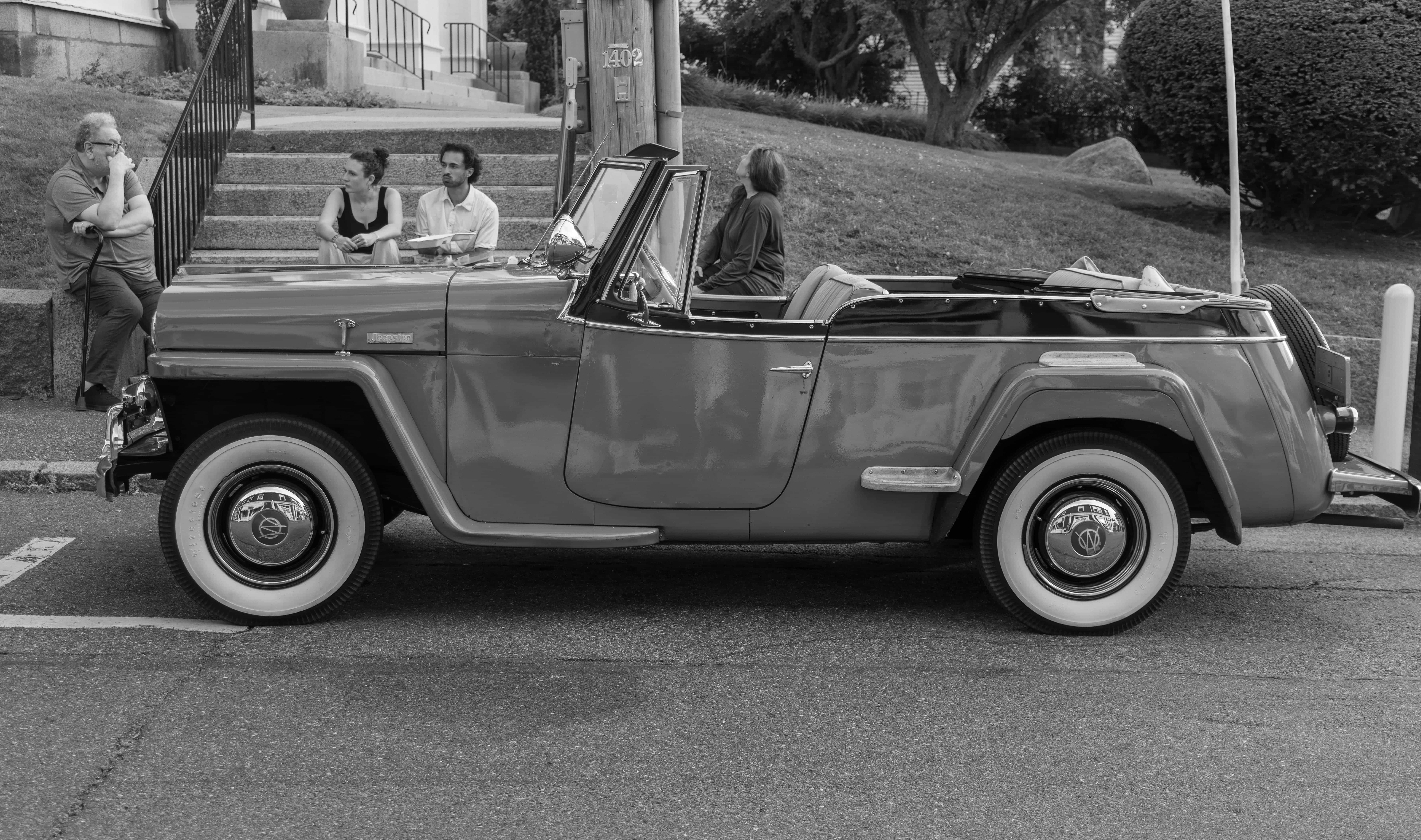

An old street can be crowded with cameras and still feel deeply misunderstood. Visitors arrive drawn by texture, atmosphere, memory, and the promise of authenticity. Residents move through the same lane with grocery bags, obligations, emotional history, and habits so ingrained they no longer look like habits. Both groups are reading the same place, but they are not reading the same text.
This difference matters because nostalgic neighborhoods increasingly carry several roles at once. They are homes, business districts, heritage sites, tourism products, informal welfare systems, and symbolic reservoirs of local identity. When people argue over what an old street should become, they are usually arguing from different ways of seeing. Tourists tend to read scenes, while locals tend to read systems. Tourists notice the visible signs of age and charm. Locals notice whether the pharmacy still opens late, whether the alley floods in heavy rain, whether the dumpling shop changed hands, whether rent is forcing out familiar trades, whether the old corner has become too loud to rest beside.
Neither reading is entirely wrong. Visitors can be attentive, generous, and curious. Residents can become blind to the beauty embedded in their routine. But the conflict between these two ways of reading often shapes what happens next: what gets preserved, what gets cleaned up, what gets commercialized, what gets priced out, and what becomes a performance for outsiders instead of a support for everyday life.
To understand retro communities well, it is useful to ask not only what they look like but also how different people decode them. An old street is not just architecture. It is an active language of use, memory, labor, and interpretation.
The Tourist Gaze: Surface, Sequence, and Story
Visitors usually encounter a nostalgic district through a curated sequence. They arrive through maps, travel articles, social media clips, city branding, or recommendations framed around atmosphere. Before setting foot on the street, they have often been primed to look for beauty, uniqueness, and emotional resonance.
This shapes what they notice. Tourists are especially sensitive to visual and sensory signals: weathered shutters, handwritten menus, tiled facades, hanging lanterns, bicycles, old clocks, vendor calls, laundry lines, textured walls, music drifting from a side lane. These details are real and often worth noticing. They create the immediate sense that the district has survived modern flattening. The tourist gaze is not necessarily shallow; it is simply oriented toward legibility at first encounter.
Because visitors have limited time, they often read the street in scenes. They string together memorable moments into an experience: breakfast on a narrow lane, a shop selling traditional goods, an alley cat sleeping on warm stone, a sunset over low rooftops, a sweet purchased from a long-running family business. Their reading is episodic. They seek coherence and charm, a story they can carry away.
This style of interpretation explains why certain elements become emblematic. A vintage sign may matter more to a tourist than a well-functioning drainage channel. A photogenic stairway may seem more valuable than an unglamorous corner grocery. The visitor is looking for clues that confirm the district’s distinctive identity, and appearance provides quick evidence.
There is nothing inherently trivial about this. Surface is meaningful. Material culture does communicate history. A well-read visitor can understand much through façades, objects, smells, and rhythms. The problem arises when the visible layer is mistaken for the whole neighborhood.
The Local Reading: Utility, Memory, and Consequence
Residents read old streets with a different literacy. Their understanding is cumulative. It emerges over years of repetition, inconvenience, adaptation, and attachment. Where a tourist sees a beautiful lane, a local also sees a route: where it narrows, where scooters cut through, where an elder must rest, where deliveries clog movement, where shade lasts longest in summer, where noise has changed since short-term rentals multiplied.
Locals read the street not only as an image but as a system of consequences. A new dessert shop might seem charming to visitors, but residents may decode it as another sign of rent escalation. A polished restoration project may look like successful preservation, while locals wonder whether traditional hardware was replaced with cheaper replicas. A widened sidewalk café zone may please travelers and irritate longtime shopkeepers who now receive fewer practical customers. A souvenir store may signal cultural interest to outsiders and signal commercial homogenization to those who used to buy household goods there.
Memory deepens this local reading. Residents often measure change against lost routines that are invisible to visitors. They remember where an aunt bought medicine, where schoolchildren waited in monsoon season, where a public tap once stood, where street games were played before traffic increased, which door belonged to a retired calligrapher, which bakery recipe changed after the second generation took over. These memories are not nostalgic decoration. They are interpretive infrastructure.
Because locals carry the street’s timeline in their bodies, they often read subtle shifts long before they become obvious in photographs. They notice when the district is no longer balancing tourism with livability. They recognize when a place is becoming easier to consume and harder to inhabit.
Old Streets as Different Kinds of Maps
One helpful way to think about this difference is that tourists and locals use different maps of the same district.
The tourist map is experiential. It highlights landmarks, routes, viewpoints, must-see shops, signature snacks, distinctive corners, and symbolic moments. It is optimized for discovery.
The local map is functional and relational. It tracks affordability, trust, timing, shortcuts, safety, reliability, practical services, social obligations, and neighborhood memory. It is optimized for continuity.
These maps overlap, but not completely. A traveler may plan around beauty and novelty. A resident plans around errands, school schedules, weather exposure, noisy hours, and known relationships. The same alley might appear on a tourist map as a hidden gem and on a local map as the fastest route to a bus stop. The same tea shop might represent heritage to a visitor and represent a social anchor to a retiree who meets friends there every Thursday.
This is why debates over preservation can become frustrating. Different stakeholders are often defending different maps. One side wants to maintain visible atmosphere. Another wants to maintain functional life. A district needs both, but policies usually privilege whichever map is easiest to market.
Why Nostalgia Means Different Things to Outsiders and Insiders
Nostalgia is rarely a single emotion. For visitors, nostalgic neighborhoods often offer relief from standardization. They represent slowness, texture, continuity, and human scale. People are drawn to old streets partly because contemporary urban development can feel repetitive, overbranded, and emotionally thin. In that context, the retro district feels warm and grounded.
For residents, nostalgia is often more mixed. The neighborhood may indeed hold tenderness, memory, and pride, but it can also contain hardship, class history, deferred maintenance, overcrowding, heat, noise, complicated inheritance, and generations of adaptation under pressure. What tourists interpret as quaint may once have been a sign of scarcity. What visitors admire as rough beauty may be linked in local memory to labor, migration, and uneven development.
This does not invalidate the visitor’s emotional response. It simply means nostalgia has different weights depending on one’s relationship to the place. The outsider often encounters nostalgia as atmosphere. The insider encounters it as biography.
That distinction matters when old districts are branded too aggressively around sentiment. If heritage marketing reduces the neighborhood to a mood, it can flatten the lived complexity that gives the place its real depth.
The Camera and the Grocery Bag
Few symbols capture the difference better than the camera and the grocery bag. The camera frames. The grocery bag burdens. One is oriented toward selective capture. The other is oriented toward practical movement through space.
A person with a camera pauses for light, composition, and detail. A person with a grocery bag pauses for breath, convenience, and negotiation with uneven pavement, traffic, stairs, or distance. Each person experiences the old street honestly, but their bodies teach them to value different things.
This bodily difference is not trivial. Streets feel different when you must use them repeatedly. Cobblestones may look beautiful in photographs while causing difficulty for elders with walking aids. Narrowness may feel intimate until deliveries block access. Open-front shops may seem lively until heat or rain complicates daily errands. A charming lack of standardization may become a problem when basic services disappear.
Locals are not immune to aesthetic appreciation, of course. Many residents love the details visitors love. But they read them through use. Their affection is tested by maintenance, affordability, and habit. Their admiration coexists with consequence.
Soundscapes: Celebration for Some, Fatigue for Others
Old streets are often praised for their soundscapes: bells, hawkers, cooking sounds, conversations echoing under arcades, evening chatter, footsteps on stone, music from family-run shops, the layered acoustics of mixed-use life. Visitors may interpret these sounds as evidence of authenticity and energy.
Residents may enjoy some of the same sounds, but they distinguish between living sound and exhausting sound. There is a difference between a morning vendor call that belongs to neighborhood rhythm and amplified entertainment aimed at nightly crowds. There is a difference between local sociability and commercial overactivation. There is a difference between tolerated noise and extractive noise.
Tourism often compresses these distinctions because it rewards atmosphere at peak intensity. A busy evening may feel vibrant to someone staying two nights and unsustainable to someone trying to sleep beside it year-round. When districts are redesigned primarily for outside consumption, sound can become one of the clearest signs that the old street is no longer being read through local needs.
Signage, Texture, and the Meaning of Wear
Visitors often read wear as authenticity. Faded paint, rubbed thresholds, patched surfaces, mixed materials, and uneven repairs suggest time, adaptation, and survival. These are part of what makes nostalgic districts compelling. They show that the street was not assembled yesterday.
Locals may share this appreciation, but they are also more likely to distinguish between meaningful patina and neglected maintenance. A hand-painted sign may carry memory and identity. A dangerously loose awning is another matter. A cracked tile can be poetic in a photograph and hazardous in rain. The local reading is usually more granular because it has to be.
This is where preservation often goes wrong in both directions. Some projects erase too much wear and replace it with lifeless simulations of age. Others romanticize deterioration and fail to maintain basic usability. The challenge is to preserve signs of continuity without glorifying inconvenience or risk.
Residents tend to understand this balance intuitively because they live inside its consequences. Tourists, unless guided well, are more likely to see only one side of the equation.
Consumption Versus Orientation
Another difference lies in what each group expects the street to do for them. Visitors often approach an old district as a place of experience. They come to feel something, discover something, eat something, photograph something, or momentarily inhabit a slower rhythm. The neighborhood is a destination.
Residents approach it as a place of orientation. It helps them organize daily life. It tells them where they are in social terms, not only geographic ones. Familiar shopkeepers, recurring faces, ritual routes, and durable landmarks all contribute to a sense of being held by the district. Even small changes can disrupt this orientation.
When too many practical businesses are replaced by experiential businesses, the balance tips. The street becomes easier to visit and harder to rely on. This is one reason some old neighborhoods remain visually attractive even as local attachment erodes. The district still performs identity, but it no longer supports it.
Can Tourists Learn to Read More Deeply?
Yes, but only if the district is interpreted as a living neighborhood rather than a picturesque scene. Visitors can learn to notice practical businesses alongside heritage cafés, to understand why benches matter, to distinguish a resident-serving bakery from a concept store, to appreciate that some forms of quiet use are as culturally valuable as lively festivals.
Travel writing, local museums, heritage signage, walking tours, and digital guides all have a role to play here. Instead of presenting old streets purely as beautiful remnants of the past, they can explain how these places still function: who uses them, what services matter, how routines anchor community, what changes residents worry about, and which trades keep everyday life possible.
The most respectful tourism does not just consume nostalgia. It learns local literacy. It asks why a district works, not only why it looks good.
Can Locals Benefit From Outside Attention?
Also yes. Outside interest can bring investment, recognition, political protection, and renewed appreciation for places that had been ignored or undervalued. Visitors often help sustain small businesses. Heritage visibility can block destructive redevelopment. Younger residents may rediscover neighborhood pride through the realization that others see value in what had become ordinary to them.
The problem is not tourism itself but imbalance. When the outsider’s reading becomes the only reading that matters, the district begins to distort around spectacle. When local interpretation remains central, outside attention can be beneficial rather than extractive.
This is why the best heritage management treats residents as primary readers, not background actors in someone else’s urban experience. If locals lose the ability to inhabit, interpret, and shape the street, then the neighborhood is no longer preserving culture. It is staging it.
Practical Clues That a Street Still Serves Locals
For anyone trying to understand whether an old district remains genuinely alive, there are simple clues worth noticing.
Look for:
- everyday-service shops such as hardware stores, pharmacies, tailors, key cutters, grocers, and repair counters
- seating used by elders, not only by paying café customers
- school-day rhythms and family movement, not only weekend tourism peaks
- prices that suggest some businesses still serve repeat local use
- windows, thresholds, and bulletin boards that signal ongoing resident life
- mixed age groups using the same public space at different times of day
- practical signage alongside aesthetic branding
- evidence of maintenance that protects use without erasing texture
These clues indicate that the street is being read locally as well as visited externally. They suggest that the district still functions as neighborhood, not just image.
The Best Old Streets Hold Multiple Readings at Once
A great nostalgic neighborhood does not have to choose between visitors and residents. It can be beautiful, legible, and welcoming while still remaining grounded in everyday life. But that balance requires humility. Outsiders need to accept that what delights them may not be the neighborhood’s highest value. Insiders may need support in defending practical needs without rejecting all change. Policymakers need to recognize that heritage is not only what can be photographed but also what can still be used.
The most meaningful old streets are rich precisely because they can hold multiple readings. A visitor sees atmosphere and history. A resident sees support and memory. A child sees freedom within boundaries. An elder sees continuity. A shopkeeper sees reputation and survival. A returning migrant sees what changed and what stubbornly remained.
No single reading is complete by itself. The street becomes legible only when these interpretations are allowed to coexist.
What Preservation Should Learn From This Difference
If tourists and locals read the same old street differently, preservation policy should stop pretending that one kind of value naturally includes the other. Visual charm does not guarantee social continuity. Commercial success does not guarantee neighborhood health. Clean restoration does not guarantee cultural integrity.
Better preservation begins by asking a broader set of questions. What does the visitor notice? What does the resident depend on? What forms of use are disappearing? Which parts of the street are symbolic, and which are infrastructural? What can be monetized, and what must be protected from monetization to keep the district livable?
When nostalgic neighborhoods are managed with these questions in mind, they become more than destinations. They remain readable as places where life still happens. That is a deeper and more durable form of heritage than atmosphere alone.
The old street deserves to be seen. But it deserves, just as much, to be understood.
SEO Keywords and Search Intent
- why tourists and locals see old streets differently
- tourist gaze in historic neighborhoods
- locals vs tourists in nostalgic districts
- how residents experience heritage streets
- why old towns feel different to locals
- understanding authentic neighborhood life in historic districts
- travel vs local perspective in old city streets
- preserving livability in touristy heritage neighborhoods
- how to read a historic street like a local
- old town tourism and resident life
- differences between visitors and locals in retro communities
- why heritage districts become staged
- authentic old neighborhood culture vs tourism image
- historic district preservation for residents and visitors
- local life in nostalgic neighborhoods