Why Some Streets Feel Deeply Human
Not every old street feels like a real community, and not every new district feels soulless. The difference is rarely explained by age alone. What makes a neighborhood feel memorable, livable, and quietly beloved is usually a set of recurring spatial and social patterns that allow ordinary life to become shared life. A child buying ice cream after school, a resident pausing at the tailor to ask whether a jacket is ready, an older shopkeeper placing two stools outside the storefront before sunset, a lane where deliveries, gossip, breakfast, repairs, and evening walks all happen in visible sequence—these details create the emotional texture people often call nostalgic.
Retro communities are frequently described in aesthetic terms. People talk about mosaic floors, peeling paint, metal shutters, hand-painted signs, tiled thresholds, wooden cabinets, narrow shopfronts, and small balconies with laundry moving in the wind. All of that matters. Material continuity helps people feel that time has accumulated rather than been erased. Yet visual cues alone cannot explain why one old district becomes a living neighborhood while another becomes a backdrop for photographs.
The more useful question is this: what patterns make nostalgic neighborhood life possible?
A pattern is not a rigid rule. It is a recurring solution to a human need. In heritage-minded districts, the need may be social recognition, informal safety, low-cost daily convenience, intergenerational contact, local memory, or the preservation of a slower rhythm within a fast city. When enough of these patterns exist together, a place becomes more than attractive. It becomes inhabitable in a deeper way.
This article offers a pattern-language essay for retro communities and old streets. Instead of listing decoration tips or romantic claims, it examines the design and social arrangements that repeatedly support slow urban life, local culture, and neighborhood belonging.
Pattern 1: Many Small Front Doors
The first pattern is simple and powerful: many small entrances opening directly onto the street.
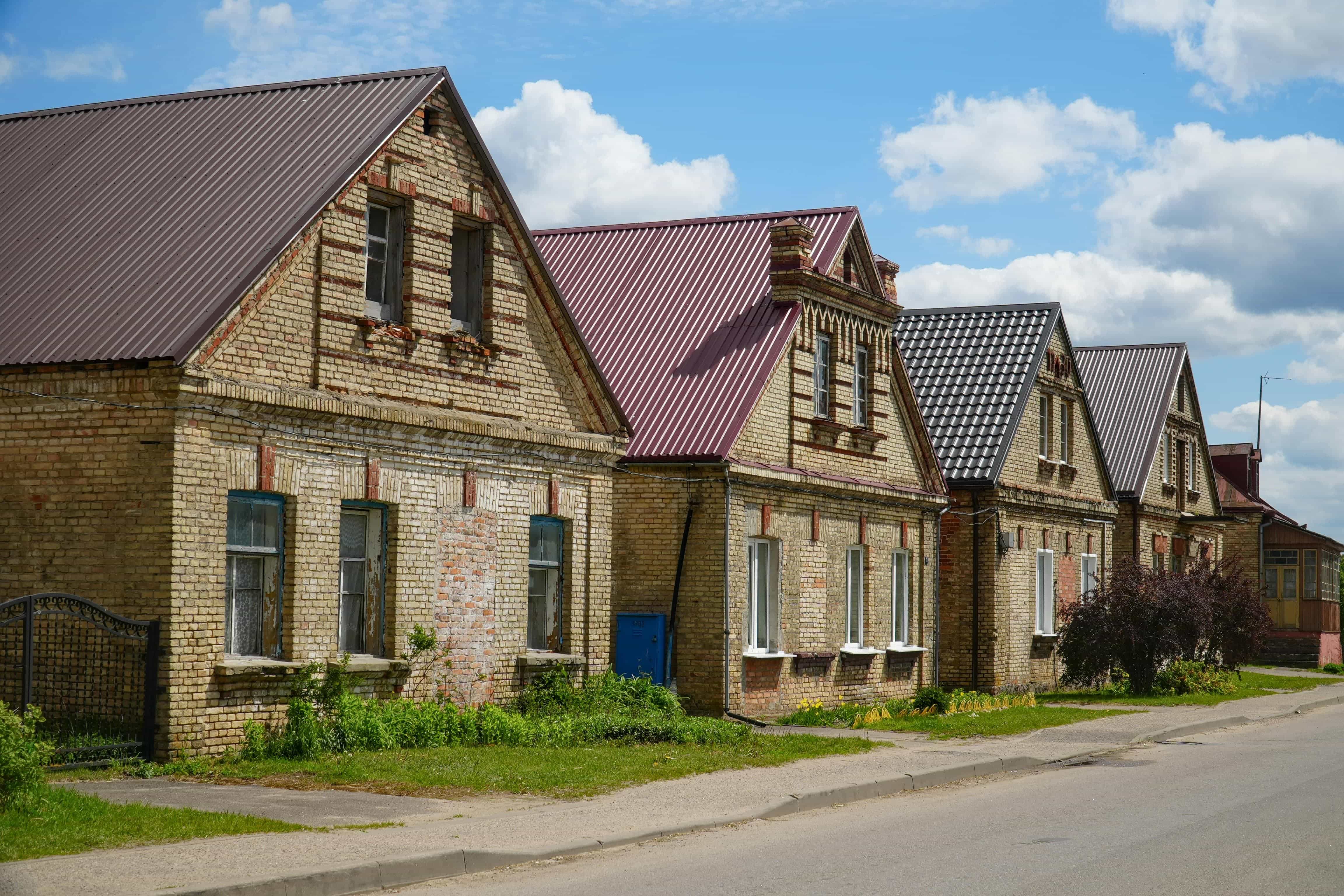
Neighborhood life thickens where there are many thresholds. A row of compact storefronts, apartment doors, workshops, side gates, and courtyards produces far more social contact than a blank wall or a single oversized commercial frontage. Every doorway creates a point of recognition. It allows someone to enter, exit, pause, greet, sweep, sort parcels, water plants, or watch the weather. It gives the street more moments of human appearance.
Old streets often feel alive because they contain a dense sequence of these thresholds. The tailor’s narrow door, the grocer’s half-open shutter, the upstairs resident leaning over a railing, the tea shop entrance with stools outside, the hardware counter with a service window—each becomes a micro-stage for ordinary presence.
This pattern matters because communities are sustained by repeated low-stakes encounters. If the built environment reduces those encounters, people still live near one another but remain socially thin. Many small doors create more opportunities for recognition than a few large portals ever can.
For planners and developers, the lesson is clear. Human-scale neighborhood life is easier to support when ground floors are divided, permeable, and directly related to the sidewalk.
Pattern 2: A Useful Walk of Five Minutes
A nostalgic neighborhood is rarely organized around spectacle. It is organized around short, repeatable errands.
People remember retro communities fondly not only because they looked charming but because they made life workable. Within a few minutes on foot, one could often buy breakfast, pick up vegetables, repair a zipper, copy a key, refill household basics, collect medicine, buy school supplies, and encounter a familiar face. This compressed geography turns routine into relationship. The same resident who buys fruit on Tuesday might return on Thursday for batteries and on Saturday to ask whether the fish seller knows where to find fresh bean curd.
The five-minute useful walk is one of the strongest foundations of neighborhood affection. When errands can happen close to home, the street gains repeated use by different generations at different times of day. Children appear after school. Older residents appear in the morning. Office workers appear at lunch and dusk. Delivery riders pass through. Shopkeepers remain visible. The neighborhood is not dependent on one demographic or one commercial cycle.
Many modern districts provide comfort at home but force daily needs into separate car trips or large-format retail zones. That arrangement may be efficient in abstract planning terms, but it weakens local attachment. A retro community, by contrast, builds loyalty through repetition of nearby necessity.
If a district wants to feel rooted rather than merely branded, it should first ask whether daily functions remain within walking range.
Pattern 3: Edges You Can Linger On
One of the most underrated patterns in old neighborhoods is the existence of social edges—places that are not fully private and not fully public, where it feels natural to pause.
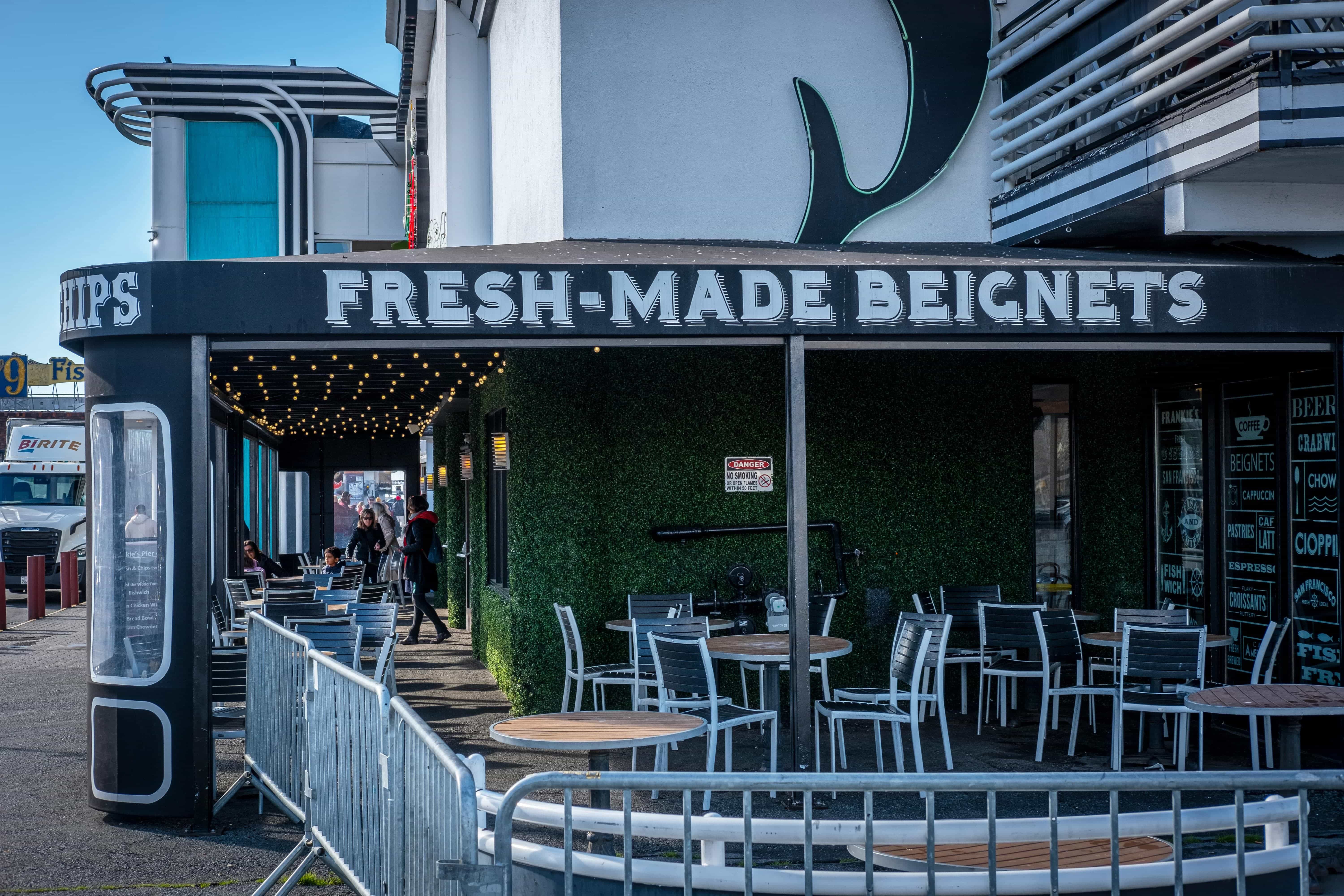
These include stoops, benches, low walls, awnings, folding chairs, broad thresholds, tea counters, recessed shop entries, shade trees, and widened corners. They are not grand civic infrastructure. They are modest transitional spaces where someone can stand with groceries, rest while waiting for noodles, watch children, tie a shoelace, scroll through messages, or begin a conversation that was never scheduled.
Retro streets are often rich in these edges because they evolved gradually rather than being planned exclusively for circulation efficiency. The result is not always neat, but it is socially fertile. A person sitting outside a bakery does more than occupy space. That visible act signals that the street is inhabitable. It reassures others that stopping is allowed.
In contrast, districts without such edges often feel overdesigned yet emotionally narrow. Everything is either a walkway, a transaction, or a secured interior. There is nowhere to exist casually.
A neighborhood that remembers how to be human gives people low-pressure places to linger. Without them, nostalgia cannot move beyond image.
Pattern 4: Repair Beside Retail
A retro community is stronger when it includes businesses that maintain things, not only businesses that sell things.
Repair culture gives old streets their practical dignity. Shoe repair, bicycle tuning, umbrella mending, key cutting, tailoring, watch servicing, lamp rewiring, fan fixing, phone battery replacement, chair recaning, picture framing, and basic hardware advice all help residents stretch the life of objects. These services also make a district feel capable. A neighborhood with repair knowledge is one where people do not have to discard every minor failure.
This pattern matters socially as well as economically. Repair shops generate conversation. They depend on trust, explanation, patience, and repeat contact. A tailor may know a family’s measurements over decades. A locksmith may know which tenants recently moved in. A bicycle repair stall may serve schoolchildren, couriers, and older residents within the same hour. Such businesses bind classes and generations more effectively than trend-driven retail alone.
When older districts lose repair culture, they often lose more than convenience. They lose evidence that local interdependence still exists. Streets then become performance spaces for consumption rather than functioning ecosystems.
Any serious revival of nostalgic neighborhood life should protect and normalize repair uses, even when they are less visually glamorous than cafes and boutiques.
Pattern 5: The Shop That Knows Your Life a Little
A beloved neighborhood usually contains a handful of establishments that know residents in a way digital systems cannot. The pharmacist who remembers a monthly prescription, the stationer who sets aside the notebooks a certain child likes, the dumpling seller who knows who wants extra vinegar, the grocer who notices when an older customer has not appeared for two days—these are not dramatic forms of intimacy. They are practical, bounded, and everyday. Precisely for that reason, they matter.
Retro communities often seem warm because they preserve this pattern of partial mutual knowledge. Not full exposure, not intrusive familiarity, but enough recognition to create a sense of being placed in the world. A person is not only a customer ID, apartment number, or delivery drop-off point. They are a repeat presence whose rhythms can be noticed.
This pattern creates a subtle social safety net. Shopkeepers often see what planners and platforms miss. They notice who is struggling to carry groceries, who seems unwell, whose child lingers after school, which shop has suddenly changed hours, and which resident may need help before asking for it. These observations are not formal services, but they contribute to a neighborhood’s resilience.
For this pattern to survive, rents and business turnover cannot become so extreme that every storefront is temporary. Stability matters. A neighborhood begins to remember its people when its businesses are allowed to stay long enough to learn them.
Pattern 6: Mixed Generations in Plain Sight
One reason old streets feel emotionally rich is that they are rarely occupied by a single age group. Children walk past retirees. Teenagers buy drinks from a vendor who has known their parents for years. Workers stop beside grandparents sitting outdoors in the late afternoon. The neighborhood becomes a visible timeline rather than a demographic silo.
Intergenerational visibility is a powerful pattern because it broadens the meaning of public space. A street used only by commuters feels efficient but thin. A street used only by tourists feels lively but hollow. A street where elders, families, students, workers, and small business owners all appear in recurring rhythms feels socially grounded.
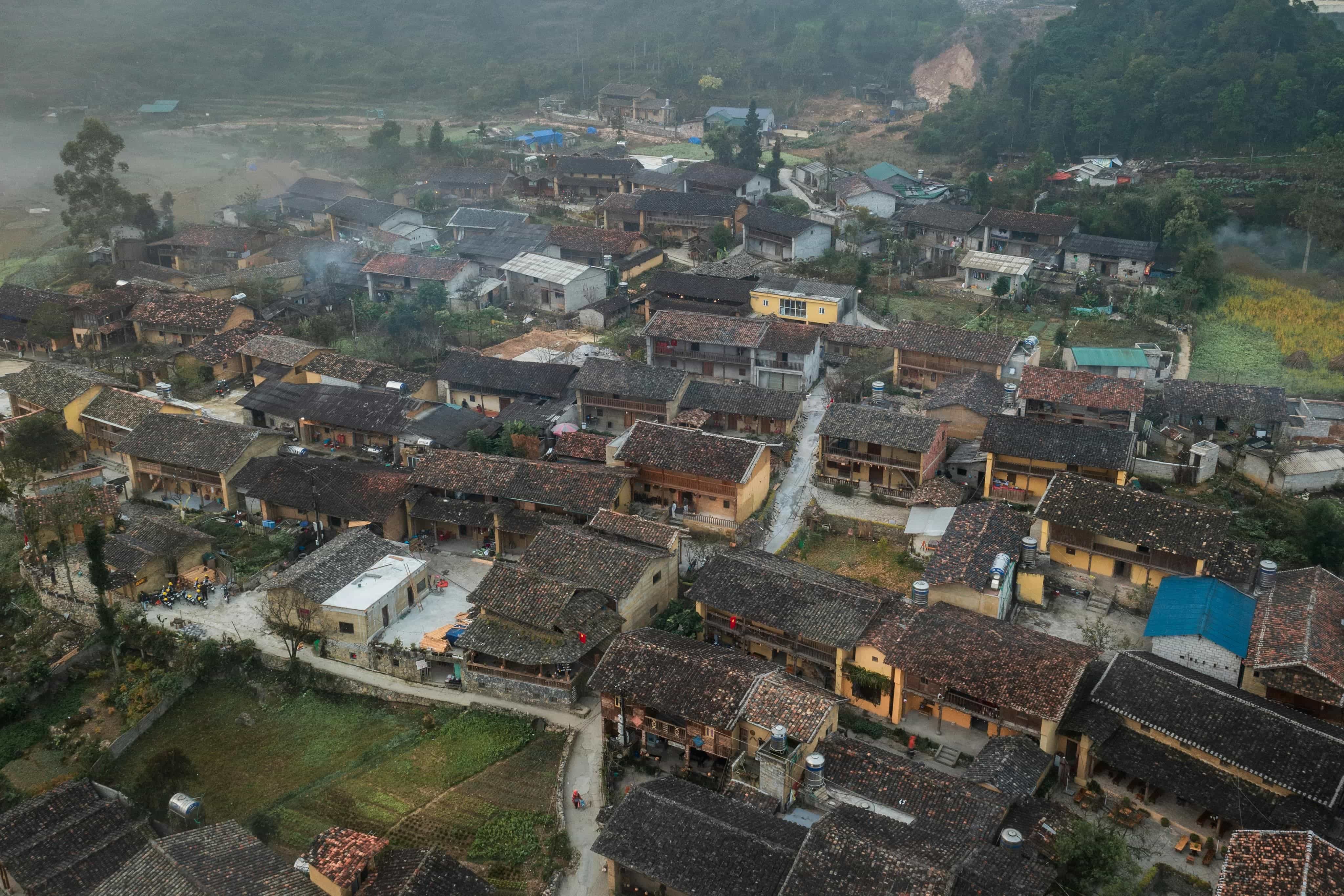
Retro communities support this because of their mixed functions and flexible thresholds. They have inexpensive snacks, practical services, schools nearby, small parks, benches, and daily destinations that appeal to different age groups. Their public life is not specialized. It is layered.
When cities pursue heritage without supporting everyday mixed generation use, they often end up preserving facades while losing social depth. A true nostalgic neighborhood allows the young and old to be visible to each other in ordinary ways, not only during programmed festivals.
Pattern 7: Time Written Into Materials
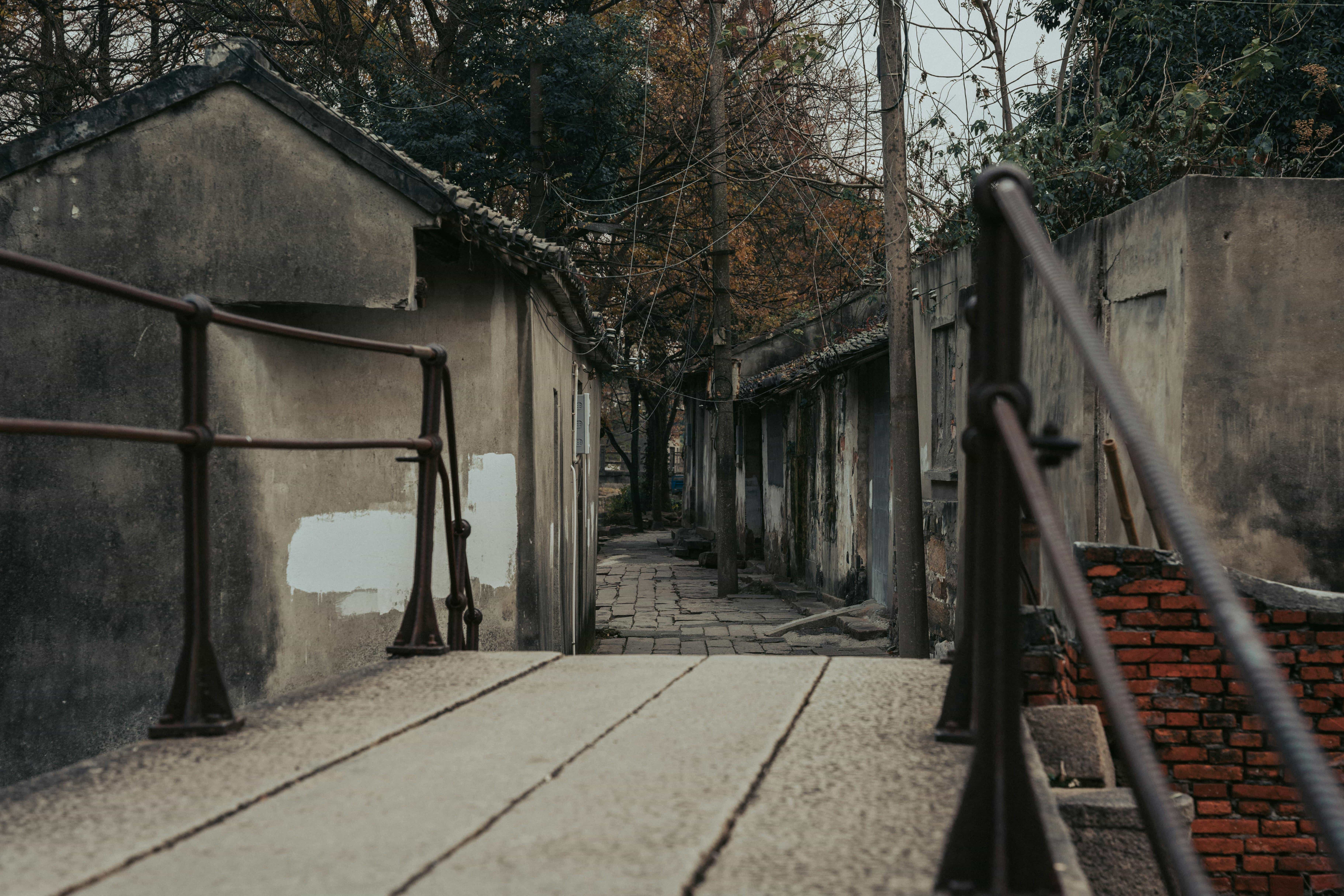
Old communities often communicate continuity through materials that show wear honestly. Stone steps smoothed by years of feet, brass handles dulled by use, timber drawers darkened by touch, terrazzo floors patched rather than replaced, enamel signs with sun-faded edges, iron gates repainted many times—these surfaces are not merely decorative. They tell residents that the place has endured cycles of maintenance rather than total reset.
This material pattern matters psychologically. It teaches people that aging does not necessarily mean failure. A neighborhood can be renewed without being sterilized. Repair marks, adaptations, and imperfections become evidence of stewardship rather than defects to erase.
Modern redevelopment often breaks this pattern by replacing everything at once. Newness can feel impressive, but it also interrupts continuity. If every surface is pristine and standardized, the district may look successful while feeling strangely uncommitted to memory. Nothing indicates that anyone has used the place long enough to leave a trace.
To preserve nostalgic character, cities and owners should distinguish between dangerous neglect and meaningful patina. Safety, accessibility, and hygiene matter. But so does visible continuity. A community that remembers does not need to hide every sign of time.
Pattern 8: Small Economies With Different Price Points
A living old street usually contains not one market but several. There may be an affordable breakfast counter, a mid-priced cafe, a cheap noodle shop, a specialty bakery, a hardware stall, a florist, a secondhand store, and a gift shop all within the same few blocks. This mix is important because it prevents the neighborhood from being economically legible in only one way.
When every business targets the same consumer profile, the street quickly narrows. Either it becomes a low-margin corridor with limited adaptability or an upscale atmosphere district where locals feel displaced. Retro communities stay socially real when they preserve multiple price points and uses. The student buying a steamed bun, the office worker buying coffee, the family paying for school shoe repair, and the visitor purchasing ceramics should all be able to coexist.
Economic diversity also stabilizes street life across the day and across downturns. Essential businesses keep the district useful. Discretionary businesses make it interesting. Together, they create resilience.
A preservation strategy that focuses only on style without protecting mixed-price commerce risks producing a polished but fragile neighborhood. Nostalgia becomes more durable when the street still serves ordinary budgets.
Pattern 9: Local Rituals That Need No Ticket
Another pattern that gives retro communities depth is the presence of informal rituals available to anyone without planning or payment. Morning tai chi in a side square, evening stools appearing outside shops, neighbors trading fruit during festival weeks, a bakery releasing fresh buns at the same time each afternoon, children gathering near a snack cart after school, residents watering plants at dusk—these repeated acts create collective time.
Such rituals are easy to overlook because they are small. Yet they are what make a place feel inhabited rather than programmed. They also support belonging because participation can begin lightly. One does not need to register, reserve, purchase a premium experience, or share a cultural code perfectly. One can simply show up, observe, return, and gradually become known.
Cities often invest heavily in official events while underestimating the value of recurring informal habits. A nostalgic neighborhood may certainly host markets or festivals, but its real social foundation lies in everyday rituals that occur whether or not outsiders are watching.
If a district wants enduring identity, it should protect the conditions for low-cost local ritual: walkability, seating, open thresholds, mixed uses, and tolerance for visible daily life.
Pattern 10: A Street That Works in More Than One Weather
Many communities feel pleasant only under ideal conditions. A memorable neighborhood works in heat, rain, wind, and winter as well. This practical pattern is often built from small design moves: awnings, arcades, recessed entries, shade trees, narrow blocks that shorten walks, drainage that prevents puddle chaos, windows that can open for ventilation, benches under cover, and shops that provide light and warmth on dark afternoons.
Old streets sometimes excel at this by accident and adaptation. Their narrowness creates shade. Their continuous frontages offer cover. Their corner stores become temporary refuge from weather. Their seasonal habits—soup in winter, cold sweets in summer, plants moved under eaves during rain—make climate visible and manageable.
Weather competence matters for nostalgia because it enables continuity. If a neighborhood remains usable across seasons, residents return often enough for attachment to deepen. If every environmental discomfort drives people indoors or elsewhere, public life becomes episodic.
A good retro community is not only picturesque in spring. It is dependable in the ordinary meteorological realities of the year.
Pattern 11: Memory Anchors Without Monumentality
Not every place needs a landmark tower, famous temple, or grand square to feel culturally rooted. Many beloved neighborhoods rely instead on modest memory anchors: an old bakery sign, a corner tree where elders gather, a stationery shop unchanged for decades, a public tap no longer used but still remembered, a lane name with local meaning, a wall mosaic children use as a meeting point.
These small anchors help residents orient themselves emotionally. They become shared references in conversation. Meet me by the red mailbox. The old barber is still there. The lantern alley opens after the pharmacy. The best dumplings are next to the green shutter. Memory sticks more readily to specific, repeated, humble objects than to generic perfection.
When redevelopment removes every such anchor, people lose not only visual continuity but narrative continuity. The street becomes harder to tell stories about. Nostalgia then has to be imported through branding rather than supported by lived reference.
Neighborhood preservation works best when it identifies and keeps these modest memory anchors in place, even while infrastructure improves around them.
Pattern 12: Slowness That Does Not Mean Stagnation
Perhaps the most misunderstood pattern in retro communities is slowness. People often imagine old neighborhoods as anti-modern, resistant to change, or stuck in sentiment. In reality, the best nostalgic districts combine gradual adaptation with stable social rhythms. They accept digital payments, online ordering, newer businesses, and changing residents, but they do not surrender every practice to speed.
Slowness in this context means space for noticing. A shopkeeper has time to talk for two minutes. A resident can walk to buy dinner ingredients instead of planning a weekly stock-up by car. A child can stop for a snack without crossing an eight-lane road. A repair takes patience. A morning routine returns with enough consistency to be recognized.
This kind of slowness is not inefficiency for its own sake. It is the temporal condition that allows relationships to form around daily life. Cities need fast systems, but they also need districts where not everything is optimized to the point of social disappearance.
A neighborhood that remembers is not one that refuses change. It is one that refuses to let all change happen at the cost of recognition.
What a Pattern Language Reveals
Taken one by one, these patterns may seem modest. Small doors. Useful errands. Repair culture. Linger edges. Mixed generations. Patina. Memory anchors. Informal ritual. None is glamorous by itself. Yet together they reveal why some neighborhoods remain profoundly lovable while others feel polished but forgettable.
Retro community life is not created by nostalgia as a marketing mood. It is created by recurring forms of physical arrangement and social practice that help people feel seen, oriented, and capable within a local world. If heritage-minded neighborhoods are winning renewed admiration today, it is because they preserve capacities modern urban life has often thinned out: low-stakes sociability, practical interdependence, visible continuity, and the right to move slowly enough for place to matter.
This is why the old street still feels radical. It suggests that community does not emerge only from large institutions, digital networks, or master-planned amenities. It can emerge from the repeated meeting of useful design and ordinary attention.
A neighborhood remembers when its patterns give people reasons to return, recognize, repair, linger, and belong.
How to Apply These Patterns Without Turning Nostalgia Into Styling
Anyone hoping to revive an old district or build a new neighborhood with retro depth should begin with structure rather than surface. That means protecting small units instead of consolidating everything into large footprints. It means supporting practical businesses alongside atmospheric ones. It means keeping space for repair, benches, shade, and mixed generations. It means preserving imperfect but meaningful materials where possible. It means tolerating unscripted local life instead of regulating it out of existence.
The temptation is always to imitate the look first. Faux-vintage lamps, carefully distressed signage, and themed storefronts are easy to commission. But without the deeper patterns, such choices create only stage scenery. Real nostalgia grows from continuity, use, and memory. It cannot be applied like wallpaper.
Designers, officials, and business owners who understand this will treat retro communities less as frozen images from the past and more as adaptable ecosystems. The goal is not to stop time. It is to create the conditions in which time can accumulate meaningfully.
That is a much more demanding task than decoration. It is also far more rewarding.
SEO Keywords and Search Intent
- retro neighborhood design ideas
- nostalgic community planning principles
- old street urban design patterns
- how to create a walkable nostalgic neighborhood
- heritage-minded neighborhood features
- retro community layout and design
- what makes an old street feel alive
- neighborhood preservation and local culture
- human scale streets and community life
- repair culture in traditional neighborhoods
- mixed-use old street planning
- slow urban life neighborhood design
- how to preserve nostalgic neighborhood character
- local memory and place-making in cities
- design patterns for retro communities