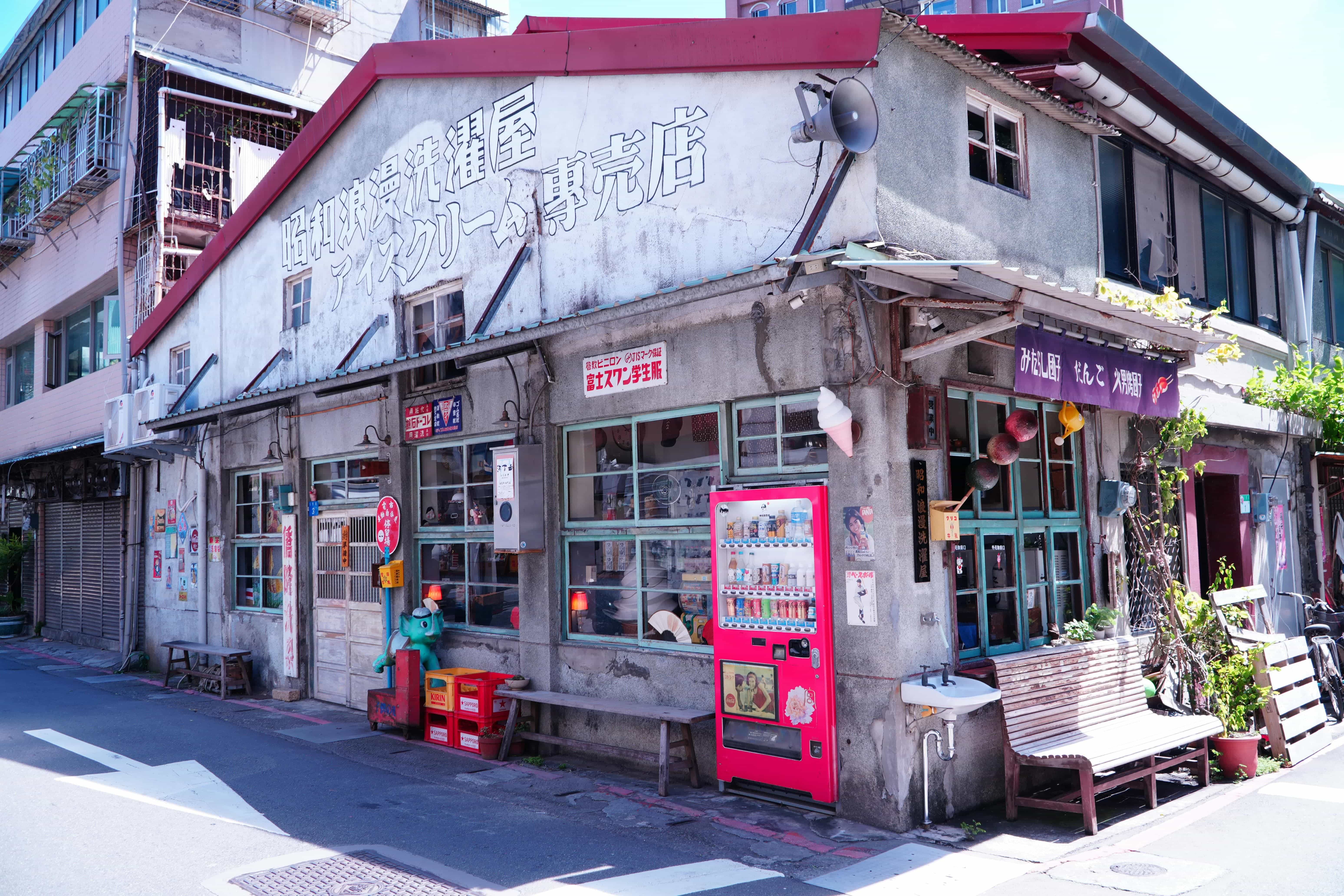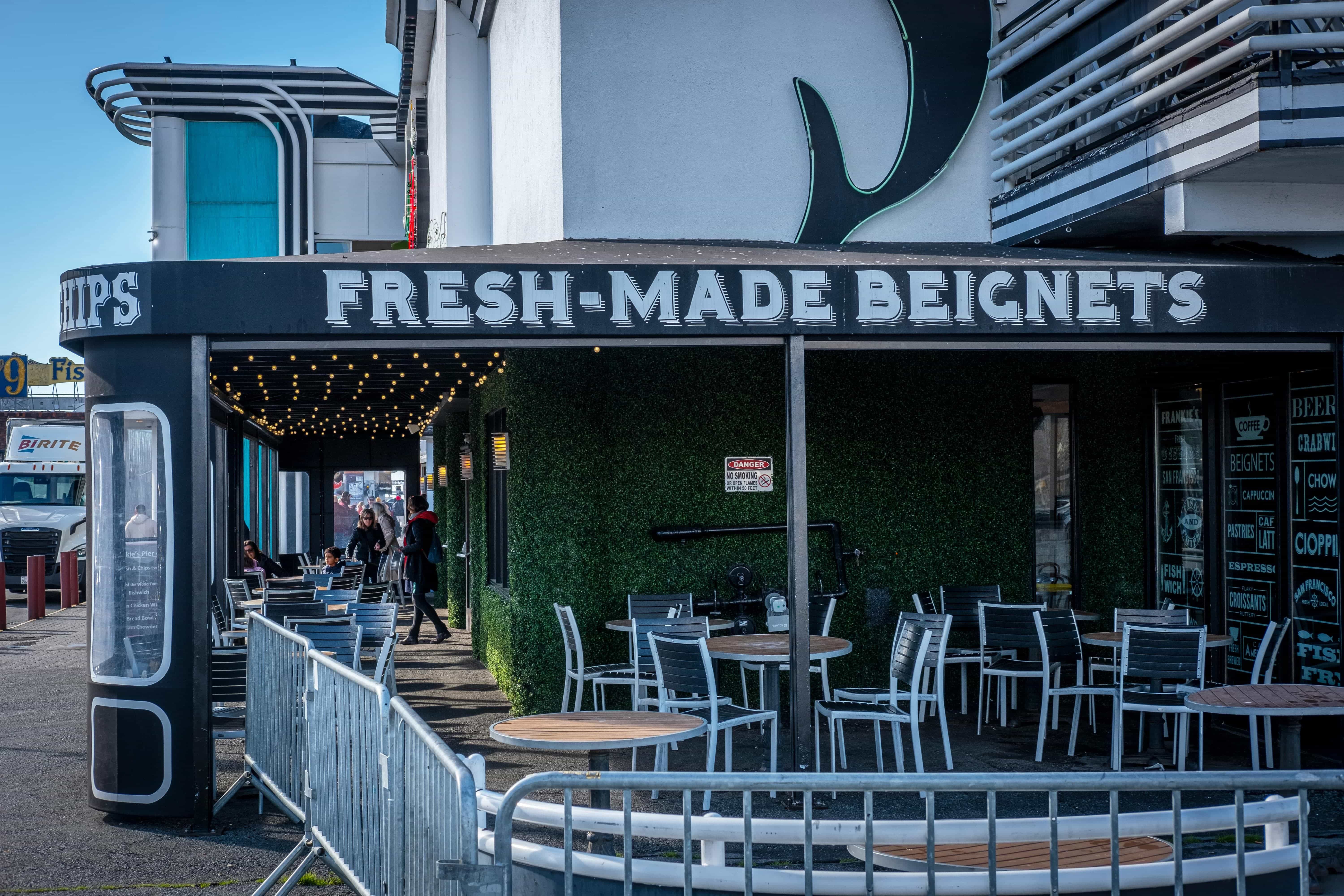
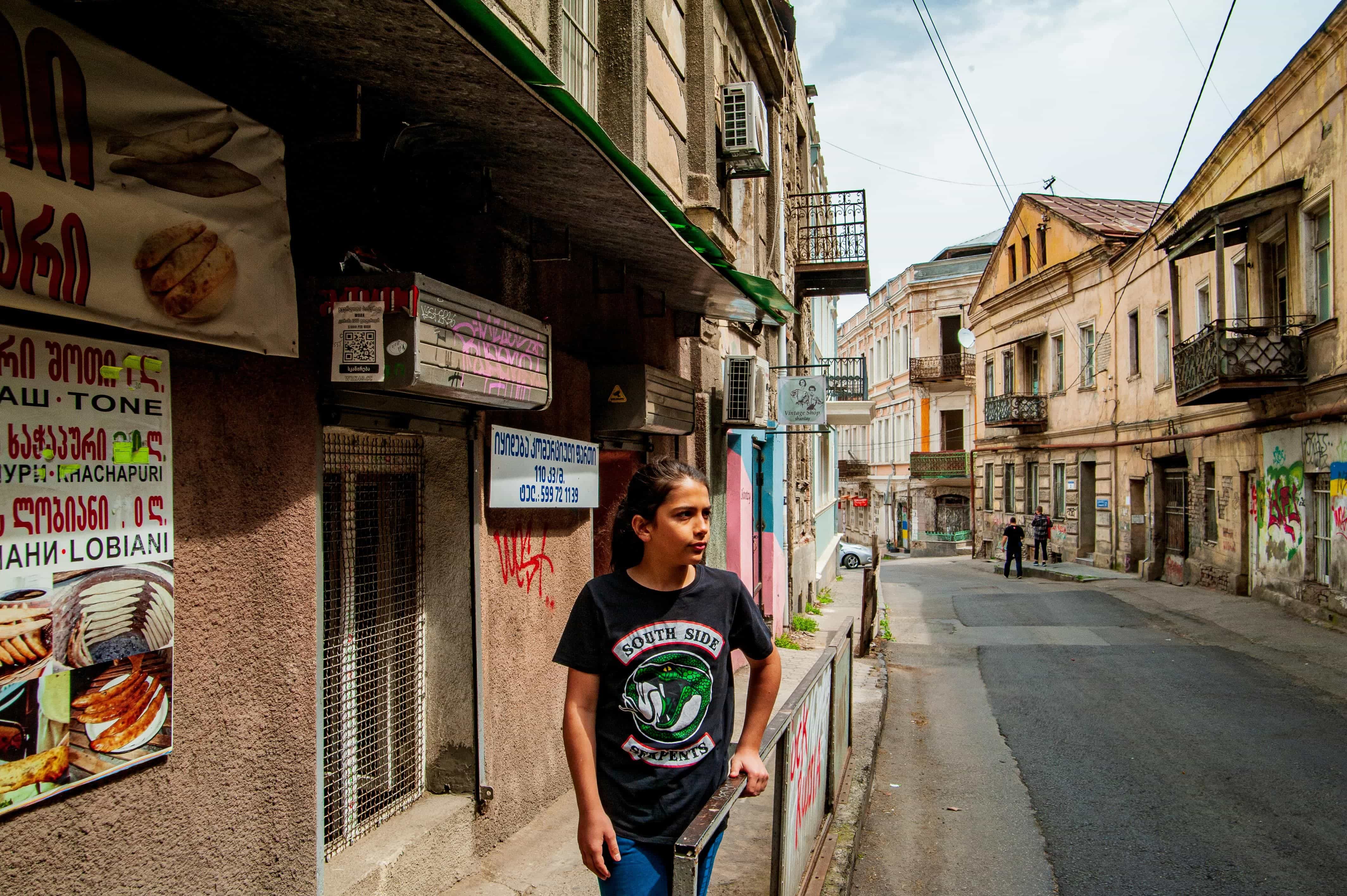
Not every important neighborhood technology glows on a screen. In retro communities, some of the most revealing forms of connection still appear on corkboards, taped windows, utility poles, grocery counters, clinic walls, building entrances, and the side panels of community centers. They are handwritten notes, photocopied lessons, festival announcements, repair phone numbers, lost-and-found messages, volunteer calls, apartment notices, neighborhood rules, local class flyers, memorial posters, discount menus, and invitations to events so small they would never justify a digital campaign. Together, these fragments form a quiet communication system: the social infrastructure of the old neighborhood made visible.
Community noticeboards rarely receive the attention given to cafés, markets, temples, or iconic façades. They are too ordinary, too graphic, too temporary, too mixed in quality. Yet that is exactly why they matter. They reveal what a district needs, what it remembers, what it regulates, what it celebrates, what it lacks, and how people continue to reach one another without always depending on formal institutions or algorithmic platforms.
In nostalgic neighborhoods, noticeboards and informal public postings do more than convey information. They create a local public sphere at walking speed. They make communication place-based. They let messages meet people in the rhythm of errands, school runs, elder strolls, meal pickups, and casual loitering. They are not replacements for digital tools, but they persist because they perform functions digital systems do poorly: they reach across age groups, they reinforce presence, they turn walls into civic memory, and they embed information within the social geography of the block.
When these systems disappear, something subtle but significant is lost. The neighborhood becomes less legible to itself.
Why Noticeboards Matter in an Age of Instant Messaging
At first glance, it may seem surprising that public posting surfaces still matter. Why rely on paper in a world of group chats, neighborhood apps, maps, and social feeds? The answer is that digital tools are fast, but they are not always inclusive, durable, or spatially grounded.
A noticeboard in a retro community reaches people who may not use the same apps, who may not trust digital platforms, or who may simply move through the district with more consistency than they check local online groups. It also reaches people at the right moment. Someone standing outside a clinic notices a flyer for blood pressure checks. A parent at a snack shop sees an after-school tutoring sign. An elder on a daily walk reads an announcement about a temple festival. A tenant entering a building sees a plumbing notice that would have been ignored in a crowded chat thread.
Public postings also reduce friction. They do not require a login, an invitation link, or algorithmic visibility. They sit where neighborhood life already happens.
Most importantly, noticeboards preserve local scale. Online systems tend to flatten space, mixing near and far, urgent and trivial, personal and promotional. A physical noticeboard, by contrast, is anchored to a place. Its contents usually reflect the district’s actual radius of concern. That specificity is one reason old neighborhoods often feel more socially knowable than newer, more digitally mediated environments.
The Noticeboard as a Map of Neighborhood Priorities
A good community noticeboard tells you what kind of place you are in. Before speaking to anyone, you can learn whether the district values tutoring, repair, elder care, cultural events, pet recovery, small business cooperation, exercise classes, festival rituals, apartment management, charity drives, local hiring, or youth activities.
In a nostalgic neighborhood, this matters because official signage and tourist interpretation often highlight only symbolic identity: history, architecture, cuisine, or famous landmarks. Noticeboards reveal the practical identity underneath. They show what residents are actually coordinating.
A board filled with piano lessons, part-time jobs, and used furniture ads suggests one social texture. A board dominated by volunteer cleanups, blood donation reminders, and mutual-aid requests suggests another. A lane dense with handwritten repair cards and key-copy offers suggests a district where practical neighborhood service remains vital. A bulletin board outside a shrine or community hall filled with ritual schedules and seasonal notices reveals a place where tradition is still organized through shared time, not only memory.
These public scraps are rarely glamorous, but they are rich evidence of how local society functions.
Handwriting, Trust, and the Texture of Human Scale
One striking quality of analog neighborhood postings is the presence of handwriting or low-budget design. In a commercial world dominated by polished templates, these imperfect graphics often feel unusually direct. A handwritten phone number, a slightly crooked flyer, a photocopied dance-class ad, or a carefully lettered announcement can communicate something beyond information: nearness.
This does not mean handmade equals trustworthy by default. Scams and clutter exist. But in many retro communities, rough presentation signals that the message comes from a person or small group embedded in local life. It reflects the scale of neighborhood communication. Someone made this for these blocks, not for an abstract audience.
That sense of scale matters because trust in nostalgic districts often grows through repeated partial recognition. A resident may not know the person offering sewing repairs, but the same card has appeared by the same grocery counter for years. A language tutor’s poster may look amateur, yet neighbors have seen families use the service. A funeral notice, a call for donations, a school performance flyer, a lost-cat message—these forms of paper communication build a low-intensity public familiarity that digital platforms struggle to replicate.
In other words, the noticeboard is not just a channel. It is part of the neighborhood’s trust architecture.
Public Walls as Civic Memory
Community posting surfaces also function as memory devices. Even temporary notices leave impressions. Seasonal festival banners, children’s event posters, election notices, elder-care reminders, memorial pages, holiday schedules, school enrollment sheets, and block-cleaning announcements accumulate into a public record of what the neighborhood has recently cared about.
In retro communities, where identity is often tied to continuity, this public memory has special value. It helps residents feel that time is shared. The district is not just a collection of adjacent households. It is a place where events happen collectively, where names recur, where rituals have dates, where losses and celebrations are made visible.
Unlike museum heritage, this memory is mundane and alive. It is not curated for outsiders. It exists for practical coordination and communal acknowledgment. That is part of its dignity.
A wall layered with notices near a market or temple may tell a richer story about current neighborhood life than an official heritage plaque. The plaque explains what the district once was. The notices reveal what it still is.
Noticeboards and the Inclusion of Non-Digital Residents
Retro neighborhoods often contain diverse age groups, including elders who may be less active on digital platforms or who rely on public routine rather than screens to stay informed. For them, noticeboards are not nostalgic leftovers. They are active channels of participation.
This is especially important in historic districts where aging in place remains a core part of community continuity. If local information circulates only through apps, many elders become less aware of services, events, meetings, repairs, and social opportunities. The neighborhood may still appear connected online while becoming less accessible offline.
Public posting surfaces help prevent that exclusion. They meet residents where they already move. They also allow information to travel informally: one person reads a notice and tells a neighbor, who mentions it at a tea table, who reminds another resident the next morning. In this way, the noticeboard does not only distribute information. It activates conversation around information.
That conversational afterlife is part of its power.
Small Business Counters as Communication Hubs
In many nostalgic districts, the most important noticeboards are not formal boards at all. They are grocery counters, barber mirrors, bakery windows, pharmacy sidewalls, repair-shop doors, tea-house entrances, and market stall poles. Small businesses become communication hubs because they already enjoy regular foot traffic and neighborhood trust.
A flyer taped inside a corner store may reach more relevant people than an online advertisement. A handwritten announcement beside a cashier may start three conversations in a day. A local service provider’s card stack near a register may become the practical directory of the district. These micro-posting sites thrive because they are embedded in routine.
This gives small businesses a civic role beyond commerce. They help circulate neighborhood information, endorse local services through proximity, and maintain the low-cost communication ecology that keeps old communities legible.
When these businesses disappear and are replaced by standardized chains or experience-driven retail, that communication layer often disappears too. The new tenant may have no space, no interest, or no permission structure for local postings. The result is not just commercial change but reduced neighborhood bandwidth.
The Difference Between Clutter and Social Density
Critics sometimes dismiss noticeboards and flyer-heavy walls as visual clutter. In some cases, the criticism is fair. Poor maintenance, outdated notices, overposting, and unmanaged surfaces can reduce legibility and create disorder. But there is a difference between clutter and social density.
A sterile wall may be visually tidy but socially mute. A moderately layered posting surface may look messy yet reveal active local life. The goal should not be to eliminate all posting in the name of cleanliness. It should be to manage it in ways that preserve usefulness and neighborhood expression.
Historic districts especially need this balance. Over-curation can produce streets that look beautiful to visitors while becoming less communicative to residents. Under-curation can overwhelm readability. The best retro communities usually find a middle path: designated surfaces, tolerated informal zones, periodic clearing of outdated materials, and enough social permission for local announcements to keep appearing.
A neighborhood that still has something to post is a neighborhood still organizing itself.
Ritual, Festivals, and the Calendar on the Wall
Nostalgic districts often maintain a strong sense of time through local ritual. Public posting helps synchronize that time. Festival banners, procession routes, market-day schedules, ancestor commemoration notices, community feast reminders, volunteer rosters, school performance posters, and seasonal health campaigns all convert abstract dates into visible neighborhood rhythm.
This is one reason old communities often feel temporally richer than generic urban areas. Their calendars are not hidden in private apps alone. They appear in shared space. People encounter upcoming time together.
The public calendar matters because it creates anticipation. It allows a district to gather around future events before they happen. It also supports participation from those who might not otherwise hear about them. In neighborhoods where place identity depends on recurring ritual, this visibility is a form of cultural continuity.
Take away the posting surfaces, and the ritual calendar becomes easier to miss, harder to join, and more dependent on fragmented channels.
What Noticeboards Reveal About Power and Access
Community posting is not neutral. Who gets to post, where they can post, what stays up, what gets removed, and which kinds of messages are considered acceptable all reveal something about local power. In some districts, formal boards are tightly controlled while informal poles remain more democratic. In others, businesses selectively host notices based on trust. In still others, management companies restrict postings so heavily that only commercial advertising survives.
These dynamics matter because they shape whose neighborhood becomes visible. If only official institutions can communicate publicly, a district may appear orderly but less plural. If only commercial messages dominate, civic texture thins. If no one can post without digital mediation, public communication becomes less accessible to marginal users.
A healthy nostalgic neighborhood usually contains multiple channels: official announcements, community-group postings, business-hosted flyers, ritual notices, and tolerated informal messages. This layered system reflects the mixed governance typical of old urban communities, where formal and informal life overlap.
Why Digital and Analog Should Work Together, Not Compete
The future of neighborhood communication is not paper instead of digital. It is paper plus digital, each doing what it does best. Digital tools are excellent for speed, updates, reminders, archives, and broad reach among connected users. Analog postings are excellent for place-based visibility, inclusivity, repetition through routine, and reinforcing local scale.
The strongest retro communities understand this intuitively. A festival appears in the group chat and on the wall. A repair notice is sent online and taped in the entry. A children’s class circulates by QR code and by paper flyer. A volunteer drive is announced digitally and at the market counter. The neighborhood remains layered rather than platform-dependent.
This hybrid approach is especially valuable in historic districts, where social continuity depends on not abandoning those who participate differently. Good communication design protects many forms of access.
Preserving the Civic Texture of Old Neighborhoods
If preservationists want retro communities to remain socially alive, they should pay more attention to communication surfaces. Heritage is not only brick, tile, and timber. It is also the way information inhabits the street.
That means protecting or designing for:
- community boards in visible, walkable locations
- posting space near markets, clinics, schools, and neighborhood businesses
- moderated but flexible rules for local flyers
- bilingual or large-type notices where appropriate for accessibility
- analog support for festivals, public health, and local services
- documentation of historically significant neighborhood graphics and posting habits
- coordination between digital groups and physical notice points
These are modest interventions, but their impact is disproportionate. They help a neighborhood continue speaking to itself.
Why a Wall of Flyers Can Mean a Neighborhood Still Works
A nostalgic district is often praised for what can be photographed: its façades, paving, signage, balconies, food, and shopfront glow. But one of its strongest signs of health may be a far less glamorous image: a crowded bulletin board near a market entrance, covered in event notices, class offers, appliance repairs, apartment updates, volunteer schedules, and handwritten phone numbers.
That board means the neighborhood still assumes a public. It still expects people to read, respond, remember, and pass messages along. It still believes that local life is coordinated not only by institutions or apps, but by shared surfaces in shared space.
This is quiet social infrastructure. It does not announce itself as heritage. It simply helps the district remain comprehensible, responsive, and human-scaled.
In an era of increasingly remote and individualized urban life, that is no small thing. A wall of flyers may look ordinary. In the right old neighborhood, it is proof that the place still knows how to connect.
SEO Keywords and Search Intent
- community noticeboards in historic neighborhoods
- why handwritten flyers still matter in old communities
- social infrastructure in retro neighborhoods
- neighborhood bulletin boards and local culture
- public posting walls in nostalgic districts
- how old neighborhoods share information offline
- analog communication in historic districts
- community noticeboard ideas for heritage areas
- local flyers and civic life in old towns
- why small business windows act like noticeboards
- preserving neighborhood communication in retro communities
- bulletin boards and community identity in historic streets
- handwritten signs and trust in local neighborhoods
- old town social infrastructure examples
- offline neighborhood networks in nostalgic districts