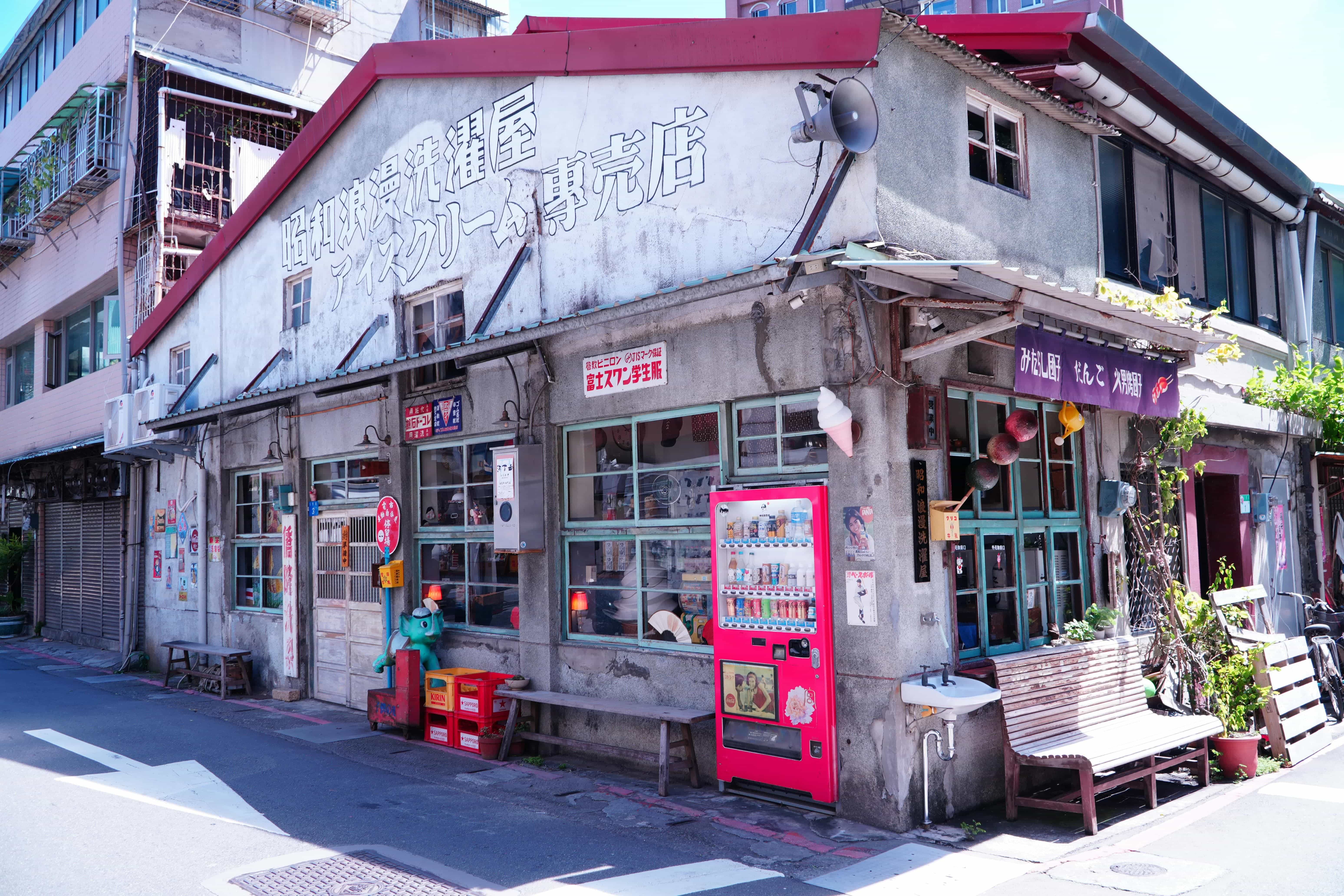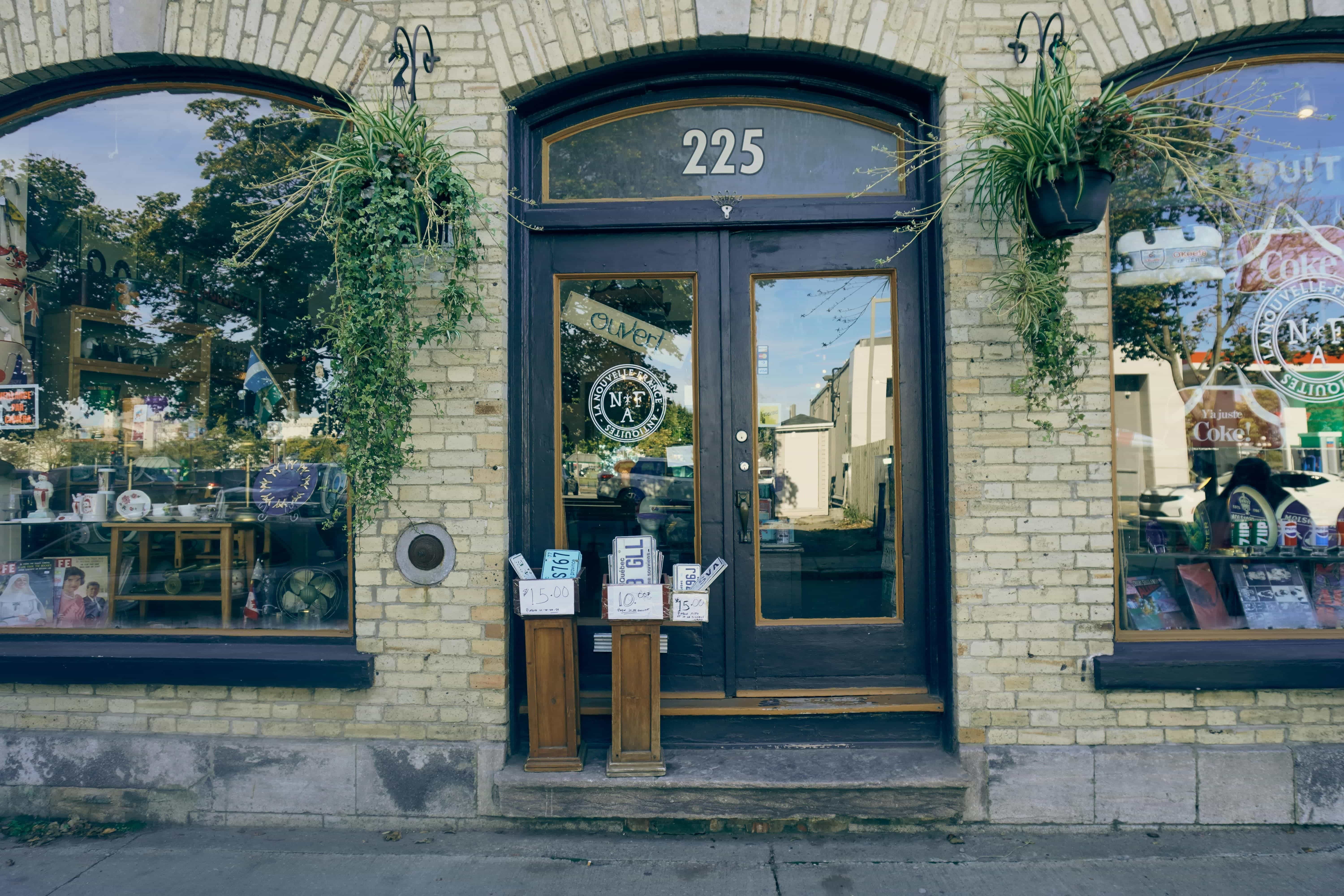

Retro neighborhoods are often flattened into easy slogans. They are described as charming but inconvenient, beautiful but impractical, lively but outdated, or culturally rich yet economically fragile. In real life, older streets and long-settled communities are far more layered than the stereotypes suggest. Their value is not only architectural. It sits in routines, memory, walkability, familiar shopkeepers, local trust, and the quiet systems that make daily life feel legible.
At the same time, nostalgia can become its own distortion. Not every old quarter is automatically humane. Not every preserved lane is inclusive. Not every small street business survives because people admire heritage. Romantic language can hide difficult trade-offs, just as dismissive language can erase the actual strengths of older districts.
That is why the most useful way to think about nostalgic neighborhoods is neither as museum pieces nor as obsolete leftovers. It is better to treat them as living environments shaped by time, adaptation, friction, and local intelligence. The myths below persist because each one contains a grain of truth. But only a grain.
Myth 1: Old neighborhoods are only valuable because they look charming
The most common misunderstanding is that the worth of older neighborhoods lies mainly in visual charm. Brick facades, narrow alleys, weathered balconies, handmade signs, old trees, tiled roofs, iron railings, and shopfronts with memory all contribute to the atmosphere people notice first. Yet appearance is rarely the reason residents stay loyal.
People remain attached to old streets because those places often organize daily life with a practical intelligence that modern planning sometimes struggles to replicate. A short walk can connect homes, groceries, food stalls, pharmacies, transit stops, barbers, schools, temples, clinics, and repair shops. That closeness reduces friction. It lowers the number of decisions needed to get through an ordinary day. It also creates repeated encounters, which is how trust grows.
Charm matters, but it is often the visible expression of deeper structures: mixed use, short distances, local business diversity, social memory, and predictable rhythms. A neighborhood that merely looks old without retaining these functions may feel theatrical rather than alive. On the other hand, a visually modest area with active sidewalks and strong local networks may offer more real quality of life than a carefully restored heritage block designed mainly for visitors.
The lesson is simple. What people call charm is often an emotional shorthand for systems that still work.
Myth 2: Historic districts are always inconvenient for modern life
Older neighborhoods do present practical challenges. Storage can be limited. Wiring and plumbing may need upgrading. Street access can be narrower. Parking is often a problem. Deliveries require patience. Climate control may be inconsistent in older buildings. These concerns are real.
But inconvenience is often measured using suburban assumptions. If the ideal home is supposed to support car-based living, large appliances, frequent bulk shopping, and complete separation between residential and commercial zones, then many traditional neighborhoods will seem inefficient. Yet if convenience is defined as everyday access, reduced travel time for errands, the ability to walk to food and services, social familiarity, and flexibility for small needs, old neighborhoods can be exceptionally practical.
A person living in a retro district may lack a large pantry but have three produce sellers within five minutes. They may have less parking but easier access to transit and more options for spontaneous purchases. They may have a smaller home but a much richer public realm. In this sense, convenience shifts from private storage and vehicular ease to local availability and routine proximity.
Modern life is not one thing. Some people need more private space, quiet, and car access. Others benefit more from density, walkability, and daily contact. The myth persists because convenience has been defined too narrowly.
Myth 3: Preserving old streets means freezing them in time
This myth hurts both preservation and everyday life. When people assume preservation means no change, they begin to see historic neighborhoods as fragile exhibits rather than resilient communities. In reality, the best older districts have always changed. Buildings are repaired, adapted, extended, subdivided, repainted, reused, and reinterpreted. Shops change hands. Functions evolve. Domestic habits shift. New residents arrive. Old residents age.
Freezing a neighborhood can be as damaging as neglecting it. If preservation rules protect surface appearance while preventing adaptation, residents may be forced out by impractical living conditions or rising maintenance costs. Streets become curated shells. The facades remain, but local life thins out.
Healthy preservation is closer to stewardship than embalming. It asks which qualities matter most and how they can remain active under current conditions. That may include protecting street scale, walkable patterns, material character, and local business diversity while allowing discreet infrastructure improvements, flexible interior use, safer utilities, accessible retrofits, and climate-responsive repairs.
The goal should not be to recreate a vanished past. It should be to let a place keep evolving without losing the relationships that make it recognizable.
Myth 4: Everyone wants to leave old neighborhoods if they can afford to
This assumption is often made by outsiders who treat retro neighborhoods as temporary stations on the way to something more modern. Certainly, some residents do move out when incomes rise, especially if housing conditions are poor or schools, sanitation, flood resilience, and maintenance are inadequate. But many people with choices stay or return for reasons that standard real estate logic does not capture well.
Older neighborhoods offer more than shelter. They offer continuity. People know where to buy ingredients for a family dish. They know which corner is breezy in summer, which lane feels safe at night, who has spare keys, who repairs fans, which fruit seller gives honest advice, which elderly neighbor needs help carrying packages, and where children can be watched by familiar eyes. These are not sentimental details. They are part of the actual operating system of life.
Affluent households may leave when old areas are neglected, but they may also seek them out once basic infrastructure improves. Many cities now see professionals, artists, retirees, young families, and remote workers drawn to older neighborhoods precisely because they provide place identity that more anonymous developments lack. The desire to stay is not irrational nostalgia. It is a recognition that belonging has material benefits.
Myth 5: Small shops in nostalgic streets survive on sentiment alone
Visitors often imagine that old bakeries, repair counters, corner groceries, tea stalls, tailoring shops, and stationery stores remain open because customers feel nostalgic and want to support tradition. Affection does matter. But sentiment is rarely enough to sustain a business year after year.
What keeps many long-running neighborhood businesses alive is that they solve practical problems quickly and locally. They know customer preferences. They offer small quantities. They extend informal credit. They repair instead of replacing. They stay open during useful hours. They provide products too ordinary for larger retail formats to prioritize. They become trusted intermediaries for information, directions, deliveries, and favors.
A neighborhood cobbler is not only selling shoe repair. A tiny grocer is not only selling snacks. These businesses often reduce transaction costs in subtle ways. They save time, preserve local circulation of money, and support reciprocal social bonds.
The harder truth is that many do disappear when rents rise, wholesale costs change, regulations tighten unevenly, or customer habits shift toward digital platforms and destination retail. Their survival depends on economics, access, tenancy conditions, and neighborhood foot traffic at least as much as on cultural affection.
Myth 6: Walkability in old neighborhoods is just a lifestyle luxury
Walkability is sometimes marketed as an aesthetic preference for people who enjoy slow living, café culture, or picturesque streets. In reality, walkability is basic urban infrastructure. It affects health, social contact, household spending, independent mobility for older adults and children, and the viability of local commerce.
Many retro neighborhoods were built before car dominance, which means their scale often supports walking as an ordinary mode rather than a recreational activity. Distances are shorter. Routes are more direct. Storefronts create visual interest and practical stops. Sidewalk life offers passive security because more people are present and visible.
This does not mean every old district is walkable in an ideal sense. Some have broken pavements, unsafe crossings, poorly managed traffic, street clutter, or accessibility barriers. But the underlying pattern is often stronger than in car-oriented districts where destinations are widely separated and public space is designed mainly for movement rather than encounter.
Calling walkability a luxury misses its democratic value. For many residents, especially those without cars or with limited mobility, the ability to reach daily needs on foot is not a charming bonus. It is a condition of dignity and independence.
Myth 7: Heritage status automatically protects community life
Formal heritage recognition can help prevent demolition, attract investment, and raise public awareness. Yet it does not automatically protect the social fabric of a neighborhood. In some places, heritage labeling increases property speculation, tourism pressure, and commercial conversion. A district may become more visible and less livable at the same time.
What is protected by law is often selective. Regulations may safeguard rooflines, facades, or street widths while ignoring tenancy insecurity, disappearing trades, unaffordable maintenance, and the loss of ordinary neighborhood services. A beautifully restored block lined only with souvenir shops, boutique cafés, and short-term rentals may satisfy a visual idea of heritage while failing as a local ecosystem.
Community life depends on more than preservation rules. It requires stable residents, affordable business spaces, useful services, public maintenance, conflict management, and room for everyday routines that are not staged for visitors. If local families cannot remain, if schools close, if repair shops are replaced by image-driven retail, then heritage has become cosmetic.
A living neighborhood needs social protections as much as architectural ones.
Myth 8: Older housing cannot be adapted for contemporary families
Older homes can absolutely be difficult. Room sizes may not match current expectations. Kitchens may be tiny. Bathrooms may be poorly located. Insulation may be weak. Natural light may be uneven. Accessibility needs can be hard to meet. Yet the claim that older housing cannot serve modern families often reflects lazy design thinking rather than actual impossibility.
Families today need flexibility. They need ways to support work from home, elder care, children’s study space, storage, privacy, and better sanitation. Many older homes can accommodate these needs through thoughtful adaptation: combining underused rooms, improving ventilation, adding built-in storage, converting transitional spaces, upgrading lighting, rethinking furniture scale, and making selective infrastructure improvements.
The most successful adaptations respect what old homes do well instead of forcing them to imitate new apartments. Thick walls may support thermal comfort. Courtyards may provide light and shared space. Front rooms may serve as mixed work and social zones. Balconies and thresholds can support layered privacy. Small rooms can allow multi-generational arrangements that large open plans do not always handle gracefully.
Not every building is suitable, and not every family will prefer this way of living. But adaptation is often more feasible than the myth suggests, especially when policy and financing support incremental improvements rather than complete replacement.
Myth 9: Old neighborhoods are socially cohesive by nature
This is one of the most seductive myths because it turns a complex social condition into a ready-made fantasy. Longtime familiarity can indeed produce support networks, shared rituals, collective memory, and strong local identity. People may greet one another by name, exchange favors, watch each other’s children, and notice when something seems wrong.
Still, cohesion is never automatic. It is built and rebuilt through norms, participation, conflict resolution, and overlapping routines. Old neighborhoods can also hold resentments, exclusions, local hierarchies, intergenerational tension, gossip, and disputes over noise, property, parking, pets, street use, or political change. Some newcomers are welcomed warmly. Others are treated with suspicion. Some elderly residents feel deeply supported. Others feel isolated in rapidly changing blocks.
The presence of memory does not guarantee harmony. In fact, places with long histories often carry long disagreements.
Romanticizing cohesion can be harmful because it makes invisible the work required to keep communities functional. Real social resilience depends on maintenance: local associations, festivals, shared cleanups, informal care, neighborly norms, and spaces where different groups can interact without needing to fully agree.
Myth 10: Revitalization always improves old districts
Revitalization is a promising word because it suggests that something dormant will become active again. Sometimes that happens. Neglected buildings are repaired. Infrastructure improves. Public spaces are cleaner and safer. Empty storefronts are reused. Residents gain more options. But revitalization can also become a euphemism for displacement and image management.
When investment arrives without protections, neighborhoods may become too expensive for the people who sustained them through years of underinvestment. Landlords may replace practical shops with trend-driven businesses that appeal to visitors or wealthier newcomers. Public space may look better while becoming more tightly controlled. The district becomes legible to outside capital and less usable to longtime residents.
The best revitalization does not only ask how to attract attention. It asks who benefits, who remains, what functions are retained, and whether improvement strengthens local life rather than merely repackaging it. An old district does not need to become fashionable to become healthier.
Improvement should be judged by resident stability, service quality, affordability, and everyday usability, not just by visual makeover or media appeal.
Myth 11: Children have little place in old streets today
Many adults assume that older neighborhoods, especially dense ones, are no longer suitable for children because of traffic, smaller homes, fewer formal play areas, or changing social norms. In some places these concerns are justified. Yet older streets can offer children something that highly programmed environments sometimes fail to provide: varied, legible, socially supervised public life.
A child in an active neighborhood street sees adults working, buying, fixing, greeting, cooking, carrying, planting, and negotiating everyday life. They learn routes, landmarks, seasonal changes, smells, sounds, and social patterns. They experience incremental independence by walking short distances under partial community watch. They witness mixed ages using shared space rather than being separated into institutional zones.
This does not mean old streets are safe by default. Traffic calming, crossing design, pavement quality, and local norms matter greatly. But when these basics are addressed, nostalgic neighborhoods can offer children a richer sense of place than environments where most activity happens indoors or through scheduled transport.
The issue is not whether children belong in old neighborhoods. It is whether adults are willing to shape those neighborhoods to support them.
Myth 12: Nostalgia is the enemy of good urban policy
Because nostalgia can be sentimental and politically manipulative, planners, developers, and commentators sometimes dismiss it altogether. Yet nostalgia is not merely backward-looking emotion. It is often a clue about what people feel they are losing: familiar routes, daily recognition, neighborhood scale, sensory continuity, local business trust, intergenerational contact, and the sense that a place belongs to ordinary life rather than to abstract investment logic.
Policy becomes weaker, not stronger, when it refuses to engage with these attachments. If people mourn the disappearance of old streets, they are rarely asking to return to every aspect of the past. More often, they are reacting to the erosion of social intelligibility. They want cities where daily life feels less anonymous, less fragmented, less dependent on long commutes and isolated consumption.
Nostalgia should not dictate policy. But it can reveal public desires that technical language misses. The task is to translate emotional attachment into practical design and governance choices: mixed use, human-scale streets, preservation with adaptation, support for local commerce, affordable housing, and better public space.
When nostalgia is treated seriously rather than mocked, it can become evidence rather than illusion.
What these myths get right, and where they go wrong
Most myths survive because they simplify real tensions. Old neighborhoods do face maintenance challenges. Some are indeed inaccessible, overcrowded, or economically pressured. Some heritage efforts are cosmetic. Some residents do experience old districts as limiting rather than liberating.
But simplistic conclusions miss the bigger picture. Retro communities endure in public imagination because they satisfy needs that remain current: attachment, continuity, walkable access, recognizable identity, everyday sociability, and local adaptability. Their weaknesses are often fixable. Their strengths are often undervalued because they do not fit metrics focused only on speed, scale, or modern finish.
The smartest approach is not to idealize or dismiss them. It is to understand what they still do well and what they need in order to remain livable under contemporary conditions. That means investing in infrastructure without erasing texture, allowing adaptation without surrendering to speculation, and measuring success through ordinary life rather than postcard appeal.
Old neighborhoods deserve a second look because they are not relics. They are evidence that many people still want cities organized around memory, proximity, and human recognition.
SEO Keywords and Search Intent
- myths about living in old neighborhoods
- are historic neighborhoods practical for modern life
- benefits of living in nostalgic communities
- truth about retro neighborhoods
- walkability in old districts
- preserving old streets without freezing them
- why people stay in historic neighborhoods
- challenges of living in heritage areas
- community life in older urban neighborhoods
- revitalization vs gentrification in old districts
- are old neighborhoods good for families
- small shops in traditional communities
- why nostalgic neighborhoods matter today
- heritage district quality of life
- pros and cons of living in an old neighborhood