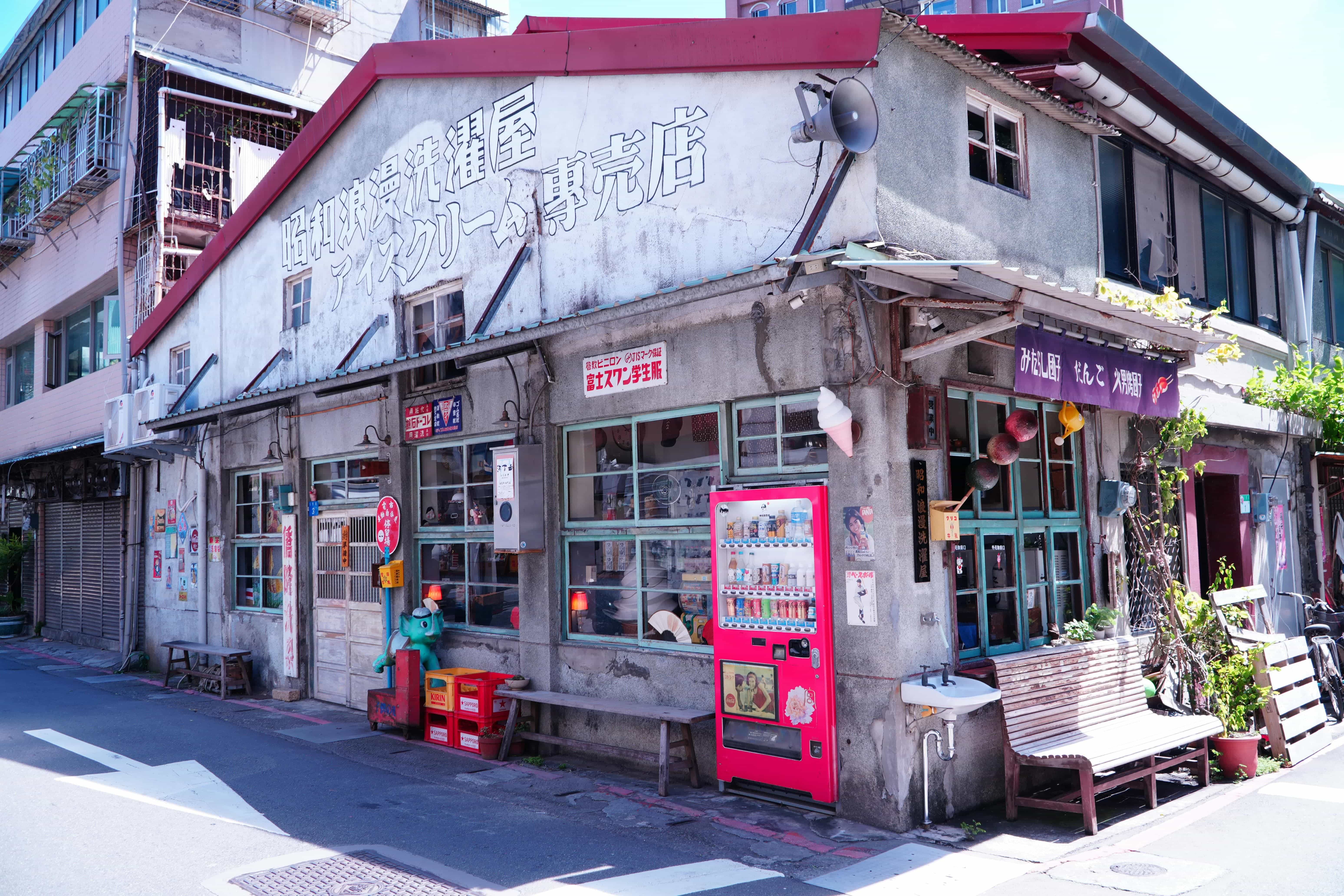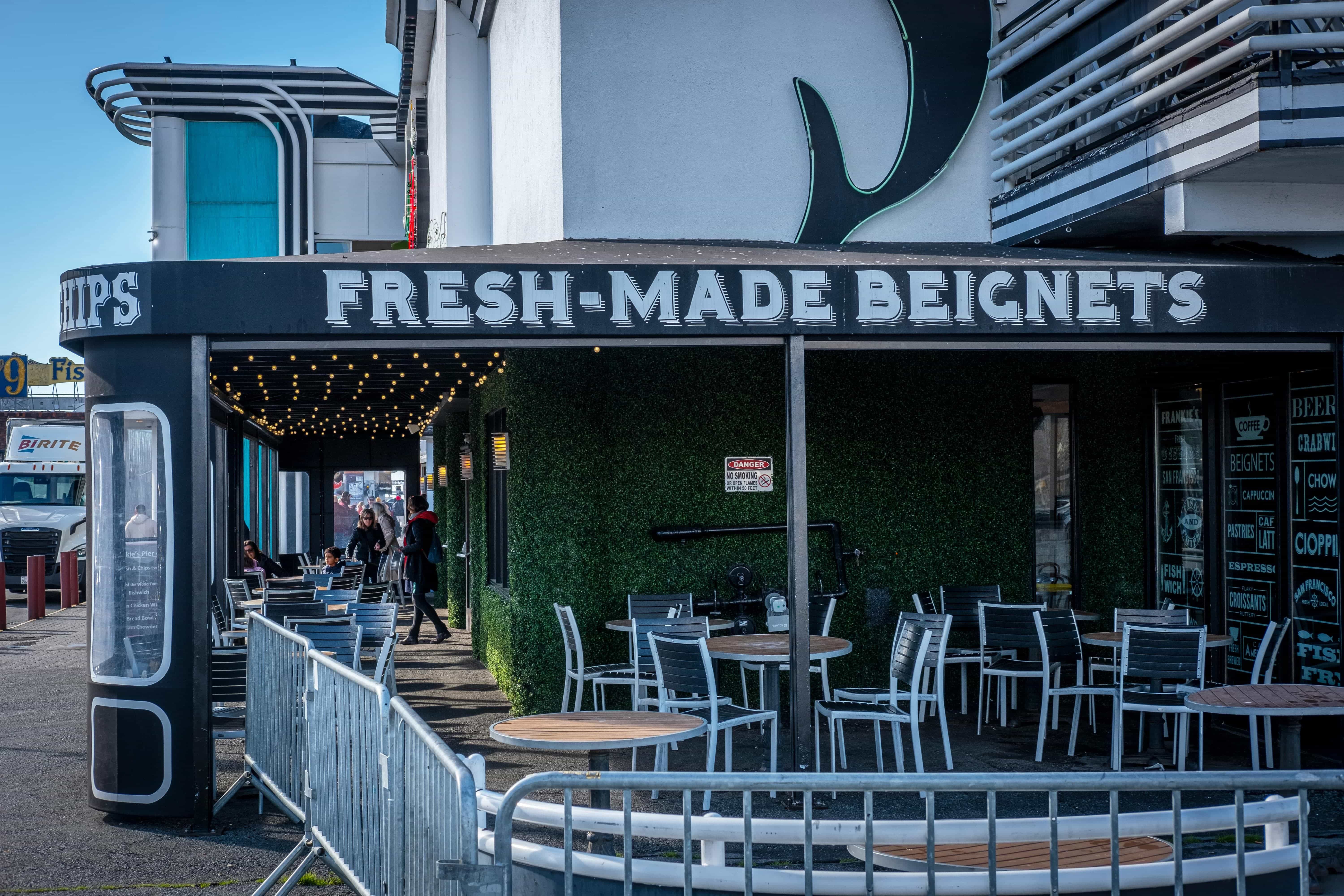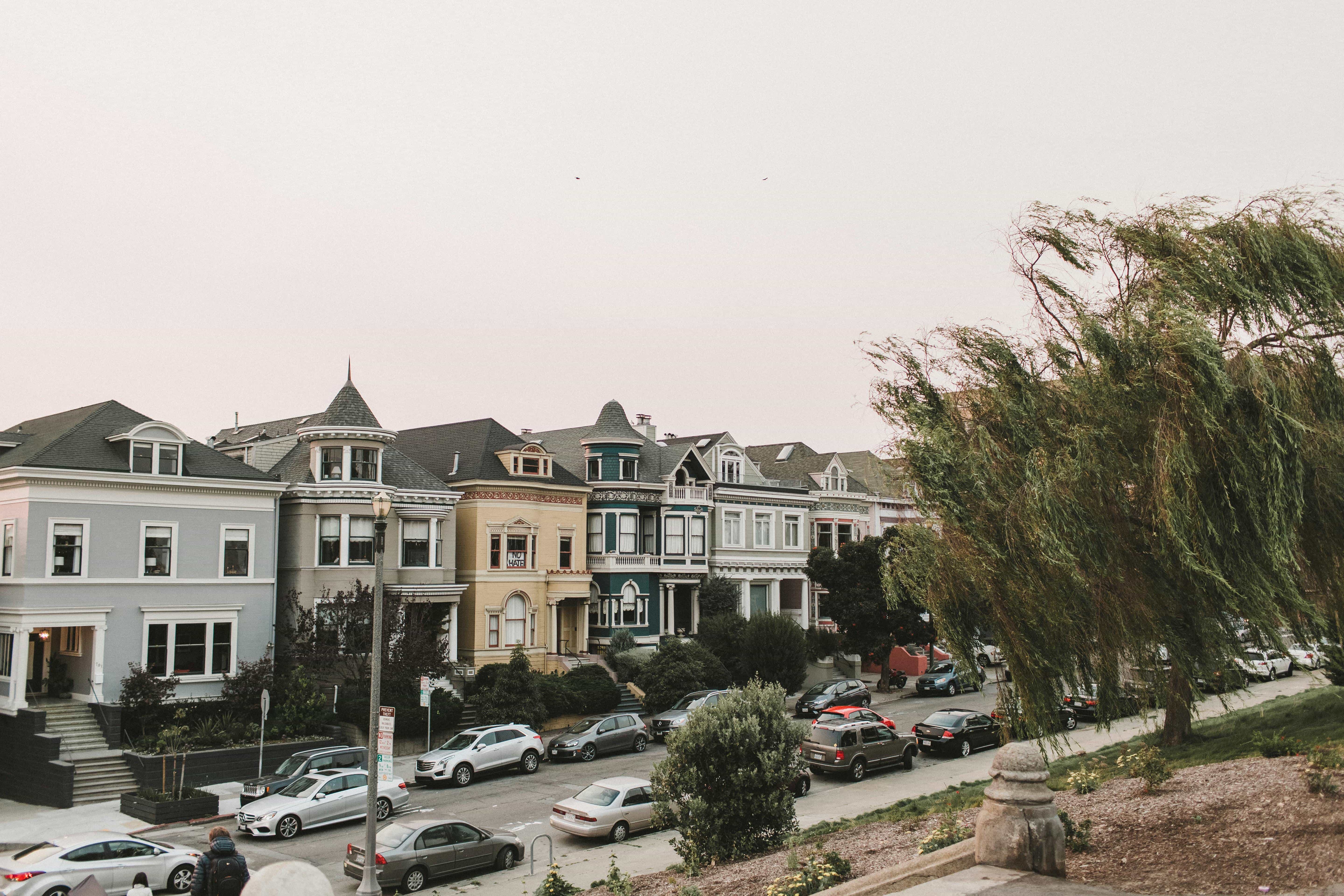
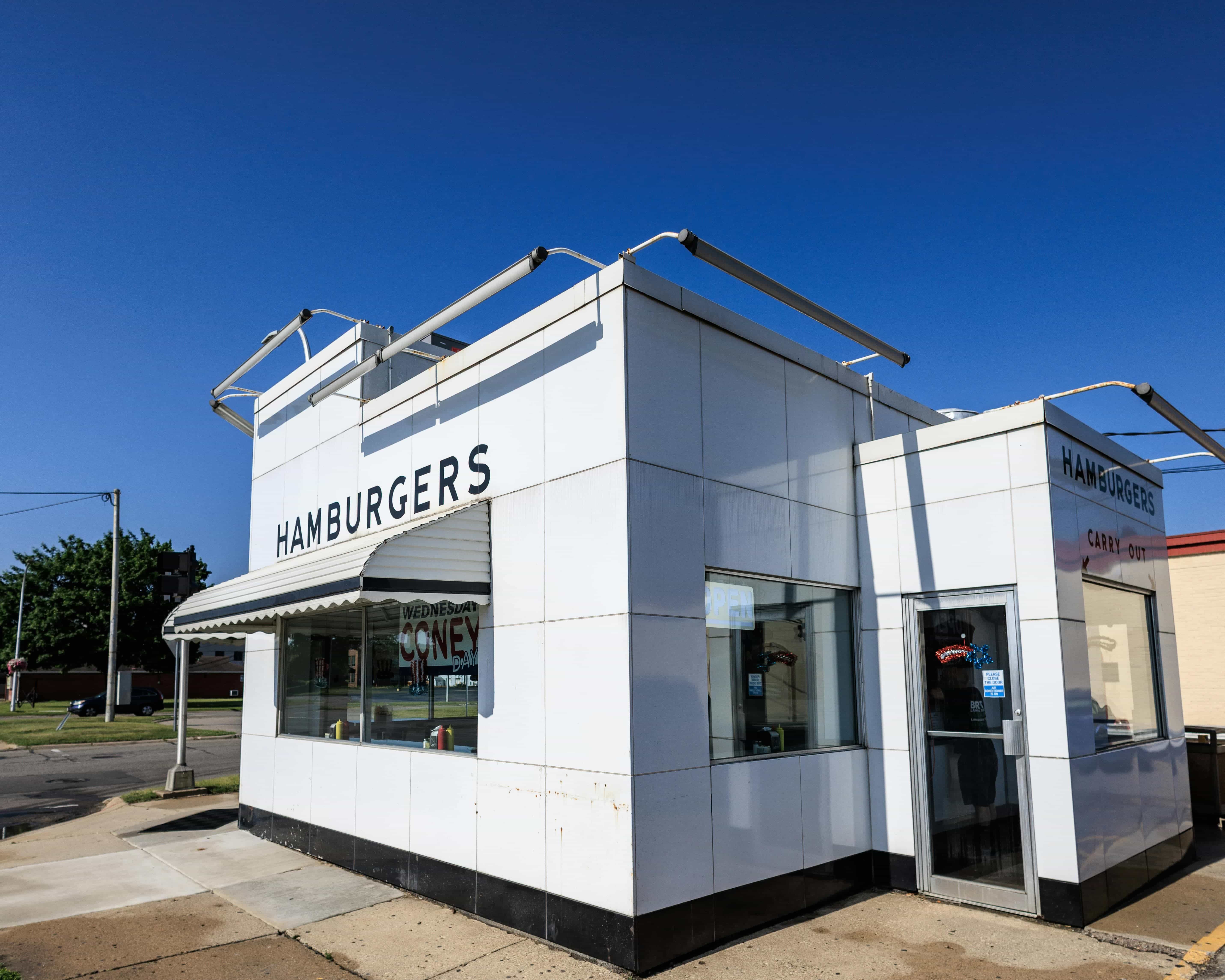
Historic neighborhoods are often described in aesthetic terms. People talk about stone lanes, fading shutters, tiled roofs, narrow alleys, and hand-painted shop signs. Visitors notice romance. Residents notice something more practical: whether the place still works on an ordinary day when the weather becomes difficult.
That question matters more now than it did a generation ago. Hotter summers, longer rainy seasons, sudden downpours, stronger gusts, and rising maintenance costs are testing the everyday performance of older districts everywhere. Yet many retro communities continue to function with surprising resilience. They are not climate-proof, and they absolutely need investment, repairs, and public support. Still, they contain valuable lessons about passive cooling, adaptable street life, water management, social coordination, and small-scale habits that help people endure environmental stress.
The best old neighborhoods do not survive because they are frozen in time. They survive because their buildings, streets, and customs evolved around repeated contact with real weather. Their endurance is not theoretical. It is the accumulated intelligence of people who had to live through hot afternoons, monsoon leaks, winter drafts, and sudden storms long before modern mechanical systems became standard.
This article looks at how nostalgic neighborhoods remain livable under weather pressure. It explores building forms, street patterns, materials, domestic routines, and community habits that help older places absorb climate stress. It also considers where those systems fail and what contemporary planners, homeowners, tenants, and preservation advocates can learn from them.
Why Weather Reveals the True Quality of a Neighborhood
A district can look beautiful in photographs and still perform poorly in daily life. Weather is what separates visual charm from practical urban intelligence. A nostalgic street proves its worth when residents can continue walking, shopping, resting, talking, and working through ordinary discomfort without needing extraordinary resources.
In many historic areas, livability comes from layered environmental moderation rather than a single technological fix. Shade from trees, balconies, arcades, and deep eaves reduces heat gain. Narrow streets slow wind. Thick masonry buffers temperature swings. Shared walls reduce exposure. Courtyards promote ventilation. Ground-floor shops keep streets active, allowing people to move between errands with short walking distances. Small neighborhood commerce reduces the need for climate-stressed long trips.
These features do not eliminate hardship. A heat wave is still a heat wave. But they can reduce the daily burden of weather and create more options for adaptation. A resilient neighborhood is not one where nobody feels the climate. It is one where people have many low-cost ways to respond.
That distinction matters because climate adaptation is often framed only as an infrastructure problem: bigger drains, newer HVAC, stronger insulation, taller flood barriers. Those are important. But old neighborhoods remind us that resilience is also social and spatial. It comes from the arrangement of streets, the timing of activities, the availability of thresholds and shaded corners, and the collective memory of how to use them.
Heat Management Without Calling It Climate Design
Many historic districts were built before air conditioning, which means they were shaped by the need to make hot seasons bearable. Residents might not have used the language of passive design or thermal comfort modeling, but they understood orientation, airflow, shade, and timing with remarkable precision.
One of the most overlooked advantages of older neighborhoods is thermal delay. Thick brick, stone, lime plaster, timber shutters, and tiled roofs often interact in ways that slow the transfer of heat. In a well-maintained building, indoor temperatures may rise more gradually than in lightweight, poorly shaded modern structures. The building becomes less dependent on constant mechanical correction.
Street geometry also matters. Narrow lanes that receive limited direct sun during the hottest part of the day can remain walkable even when wider roads become glare-filled heat traps. Buildings placed close together create mutual shading. Covered shopfronts, awnings, and canopies extend the shaded network from private structure into public circulation. A person can run several errands without spending long periods fully exposed.
Older domestic habits reinforce this environmental logic. Windows are opened strategically in the cooler morning. Shutters are closed during peak sun. Curtains are chosen not only for privacy but for heat control. Activities shift to better-ventilated rooms. Meals are timed around comfort. People use stoops, front rooms, internal courtyards, and semi-outdoor spaces according to temperature patterns that repeat each summer.
What makes this system work is not nostalgia alone but the coordination between architecture and behavior. A thick wall helps only if openings are used intelligently. A shaded alley matters only if the neighborhood remains walkable and mixed-use enough for residents to benefit from it. A courtyard cools only if it is not sealed off or cluttered beyond function.
Rain, Drainage, and the Slow Knowledge of Wet Seasons
If heat tests comfort, rain tests maintenance. Old neighborhoods are especially revealing in wet weather because they show both the wisdom and fragility of inherited systems. A district that has survived repeated rainy seasons usually contains subtle drainage intelligence embedded in rooflines, paving slopes, thresholds, gutters, overhangs, and street levels.
Traditional roofs often move water quickly away from walls through pitch, tile overlap, drip edges, and extended eaves. Courtyard layouts may direct runoff toward planted areas or internal drains. Slight street camber, stone channels, and permeable edges can reduce standing water if they are kept clear. Raised thresholds protect interiors from minor surface flow. Even the routine act of sweeping a drain or checking a gutter before heavy rain is part of neighborhood resilience.
These systems are humble, but they are not trivial. They represent cumulative local adaptation. In many retro communities, residents know exactly which corner floods first, which roof needs patching before the rainy season, which alley becomes slippery, and which shop puts sandbags at the door when clouds gather. This knowledge is a form of living infrastructure.
The problem is that inherited drainage systems break easily when the chain of care weakens. A blocked roof outlet, an uneven repair, a replaced stone surface, a sealed soil strip, or a neglected courtyard drain can tip a formerly stable block into frequent water trouble. Climate change intensifies this vulnerability because many old systems were designed for recurring local weather patterns, not for more extreme bursts of rainfall.
Still, the old neighborhood response remains instructive. Instead of depending only on massive downstream engineering, resilient districts combine small preventive maintenance with neighborhood-scale awareness. Residents monitor. Shopkeepers improvise. Streets dry faster where surfaces still breathe. Water paths remain legible where design has not erased them.
Modern adaptation plans can learn from this. The first step is often not to overwhelm a historic district with alien infrastructure but to understand how water already wants to move through it and where traditional practices can be reinforced.
Wind, Shade, and the Value of Sheltered Movement
Strong wind is usually discussed less than heat or flooding, but in many older districts it shapes comfort just as much. Wind can cool a lane, ventilate a courtyard, dry masonry after rain, or make a corner unusable depending on street orientation, building height, and exposure.
Historic neighborhoods often produce a varied wind environment rather than a uniform one. A resident can choose among a breezier edge street, a protected courtyard, a shaded passage, a sunny stoop, or a recessed storefront depending on the season and time of day. That range creates microclimatic choice.
Choice matters because comfort is not identical for every person. An elderly resident may prefer a wind-sheltered bench in winter. A street vendor may need an awning that blocks gusts but still allows airflow. A child may play in a courtyard protected from crosswinds. A shopper walking home in summer may follow a route that combines shade and moving air. The neighborhood succeeds by offering multiple small comfort conditions within short walking distance.
This is one reason why old districts often feel more humane than large, exposed modern developments. Their environmental experience is textured. Not every space is optimized the same way, but many spaces remain usable because the district contains alternatives. This flexibility is part of resilience.
Mixed Use as a Climate Asset
People often defend mixed-use neighborhoods for cultural reasons, but there is also a climate resilience argument for them. When groceries, pharmacies, repair shops, cafés, clinics, schools, and public seating are embedded within walking distance, residents can adapt their schedules around the weather without losing access to daily needs.
In an old neighborhood, a person facing extreme heat may wait until early evening to buy vegetables a few blocks away. During rain, they may pause under a shop canopy, finish one errand, and continue after the shower weakens. If a storm is coming, they can gather supplies quickly without a long car-dependent trip. If an apartment becomes too hot, there may be a library, temple courtyard, tea shop, market hall, or shaded square nearby.
This fine-grained accessibility reduces the energy cost of daily survival. It also matters for vulnerable populations. Older residents, children, caregivers, and low-income households are less exposed when necessities remain local. Climate resilience is not just about physical infrastructure; it is about how many difficult journeys a person can avoid.
Historic commercial streets, especially those with small independent shops, support this adaptive pattern well. Their storefronts generate active shelter. Their extended hours distribute foot traffic across cooler periods. Their familiarity fosters trust, which becomes especially important in bad weather when people rely on neighbors for information, assistance, or temporary refuge.
Domestic Adaptation Is Part of Urban Design
One mistake in climate planning is treating the home and the street as separate worlds. In older neighborhoods they are deeply connected. Residents manage weather through a combination of room use, window habits, temporary shading, doorstep behavior, and neighborhood timing.
During hot periods, families may reorganize daily routines around the coolest parts of the dwelling. Front rooms, back rooms, roofs, and courtyards each have seasonal roles. Lightweight furniture is moved. Meals become simpler. Midday labor slows. Evening social life shifts outdoors. Laundry timing changes. Small fans supplement cross-ventilation rather than replace it.
During heavy rain, the threshold becomes a working zone. Shoes, umbrellas, mops, buckets, racks, and door mats are arranged to manage moisture before it spreads inside. Residents check leaks, protect electrical items, and communicate with neighbors about clogged drains or shared roof issues. In windy seasons, loose objects are secured, shutters adjusted, plants moved, and fragile coverings reinforced.
These habits may sound ordinary, but ordinary habits are precisely what make a neighborhood livable. Adaptation is sustainable when it can be folded into everyday routines. Old districts often excel at this because they evolved through repeated use rather than abstract planning ideals.
Trees, Courtyards, and Pocket Greenery as Everyday Infrastructure
The green elements of historic neighborhoods are often modest. A courtyard tree, a vine over a wall, planters near a doorway, a shaded shrine, a pocket garden beside a lane, or a small square lined with mature canopy trees may not look like major climate infrastructure. Yet collectively they have real environmental effects.
Shade lowers surface temperatures and improves walking comfort. Vegetation slows runoff and increases evaporation. Trees create rest points in the heat. Planted courtyards can cool surrounding rooms, especially where permeable surfaces remain intact. Even small green patches create psychological relief, which matters during long hot seasons when stress accumulates.
In many nostalgic districts, greenery is maintained through a blend of public planting and private care. Residents water pots, trim vines, sweep fallen leaves, and protect trees near entrances. This shared stewardship builds attentiveness. People begin to notice not just the beauty of plants but their practical role in making the street tolerable.
When redevelopment strips these small green elements away, the loss is often greater than expected. The district becomes brighter, harder, drier, and less forgiving. Shade disappears from routes that older residents once used daily. Rain runs faster across sealed surfaces. Social pauses shrink because comfortable standing zones vanish.
This is why conservation should include living landscape features, not just facades. A neighborhood’s climate performance depends on its ordinary planted edges as much as on its architectural heritage.
Where Historic Neighborhoods Are Most Vulnerable
It would be dishonest to romanticize old districts as naturally resilient in every way. Many are highly vulnerable. Poor insulation, degraded roofs, obsolete wiring, damp walls, inaccessible upper floors, and limited emergency services can turn weather stress into health risk. Low-income residents may live in subdivided or poorly maintained units that perform badly despite the historic charm around them.
Heat becomes dangerous when airflow is blocked by insensitive renovations or when residents cannot afford cooling. Rain becomes destructive when maintenance has been deferred for years. Wind becomes a safety issue when shutters, signage, or roof elements are loose. Drainage fails when municipal upgrades ignore historic topography or when property responsibilities are fragmented.
Another problem is preservation without usability. Some neighborhoods protect visible character while neglecting invisible performance. Facades are kept attractive, but roofs leak, ventilation is weak, and public shade is inadequate. True resilience requires heritage policy and habitability policy to work together.
Tourism pressure can worsen things as well. When housing becomes short-term accommodation and local shops are replaced by souvenir retail, the district loses the daily social infrastructure that supports weather adaptation. Fewer permanent residents means less routine maintenance, weaker local knowledge, and less mutual aid.
So the lesson of old neighborhoods is not that age equals resilience. It is that accumulated environmental intelligence can be either supported or destroyed depending on governance, maintenance, and use.
What Contemporary Planners Can Learn
Modern urban development often separates climate response into specialized categories: cooling strategies, flood mitigation, resilience planning, public health, preservation, housing policy. Old neighborhoods show that these categories meet in daily life. A shaded arcade is transportation infrastructure, commercial support, public health protection, and heritage character all at once.
Several lessons stand out.
First, climate comfort improves when neighborhoods are walkable at short distances. Compact daily geography is itself a resilience strategy.
Second, microclimates matter. A district with varied shade, exposure, wind, and seating conditions allows residents to self-select comfort instead of depending on one standardized solution.
Third, passive design should not be treated as a luxury feature. Thick walls, operable shutters, deep eaves, permeable courtyards, and shaded thresholds are practical assets.
Fourth, maintenance culture is inseparable from resilience. A beautifully restored street that lacks drain clearing, roof checks, and tree care will fail under stress.
Fifth, mixed use supports weather adaptation by reducing the need for long trips and by creating a network of active shelters.
Finally, resident knowledge deserves formal respect. People who have lived through ten wet seasons on the same lane often know more about local drainage and heat patterns than a distant consultant seeing the neighborhood once.
What Homeowners, Tenants, and Preservation Groups Can Do
Climate resilience in retro communities does not always require dramatic capital projects. Some of the most effective actions are incremental.
Homeowners can restore shutters, ventilating openings, roof edges, and courtyard permeability rather than sealing everything in the name of modernization. Tenants can document comfort problems, advocate for safer repairs, and use low-cost seasonal strategies such as shading, ventilation timing, and moisture management. Preservation groups can broaden their focus beyond facades to include roof drainage, thermal comfort, tree canopy, and public resting space.
Neighborhood associations can map recurring trouble spots: overheated corners, flood-prone lanes, broken awnings, unsafe trees, blocked drains, and missing seating. Municipal agencies can then target support more intelligently. Markets, schools, temples, and community centers can also serve as heat and weather refuges if they are integrated into local planning.
Importantly, adaptation should protect residents first. A district cannot be truly resilient if it preserves atmosphere while displacing the people whose daily habits keep the place functioning.
The Future of Everyday Heritage Under Climate Stress
Historic neighborhoods are often treated as relics of the past, but climate change forces us to see them as active laboratories of survival. Their real value is not simply that they look old. It is that many of them embody a long-tested relationship between weather, building form, street life, and social routine.
That relationship is not enough on its own. Extreme heat, heavier rainfall, and aging infrastructure demand upgrades, funding, and policy support. Some buildings need insulation. Some roofs need replacement. Some drains need redesign. Some streets need more trees and fewer sealed surfaces. Preservation without adaptation will fail.
But adaptation without memory can fail too. If we erase the shaded lane, the mixed-use block, the courtyard, the operable window, the stoop conversation, the local shop canopy, and the culture of watching the weather together, we may lose systems that modern cities urgently need.
The future livability of old neighborhoods depends on combining inherited wisdom with careful modernization. Keep the spatial intelligence. Repair the weak points. Support the residents who know the rhythms. Treat ordinary comfort as a public good. When we do that, retro communities become more than charming backdrops. They become practical models for how cities can stay humane under a harsher climate.
SEO Keywords and Search Intent
- how old neighborhoods stay cool in summer
- climate resilience in historic districts
- passive cooling in traditional neighborhoods
- why old streets feel cooler than modern developments
- drainage design in historic communities
- weather adaptation in nostalgic neighborhoods
- heat resilience in walkable old districts
- flood risk in historic urban areas
- shade and ventilation in traditional housing
- retro community climate design lessons
- preserving old neighborhoods for climate resilience
- how mixed-use streets help during extreme weather
- courtyard cooling in historic homes
- urban heat solutions from traditional architecture
- everyday climate adaptation in heritage neighborhoods