The Morning the Block Woke Up Again
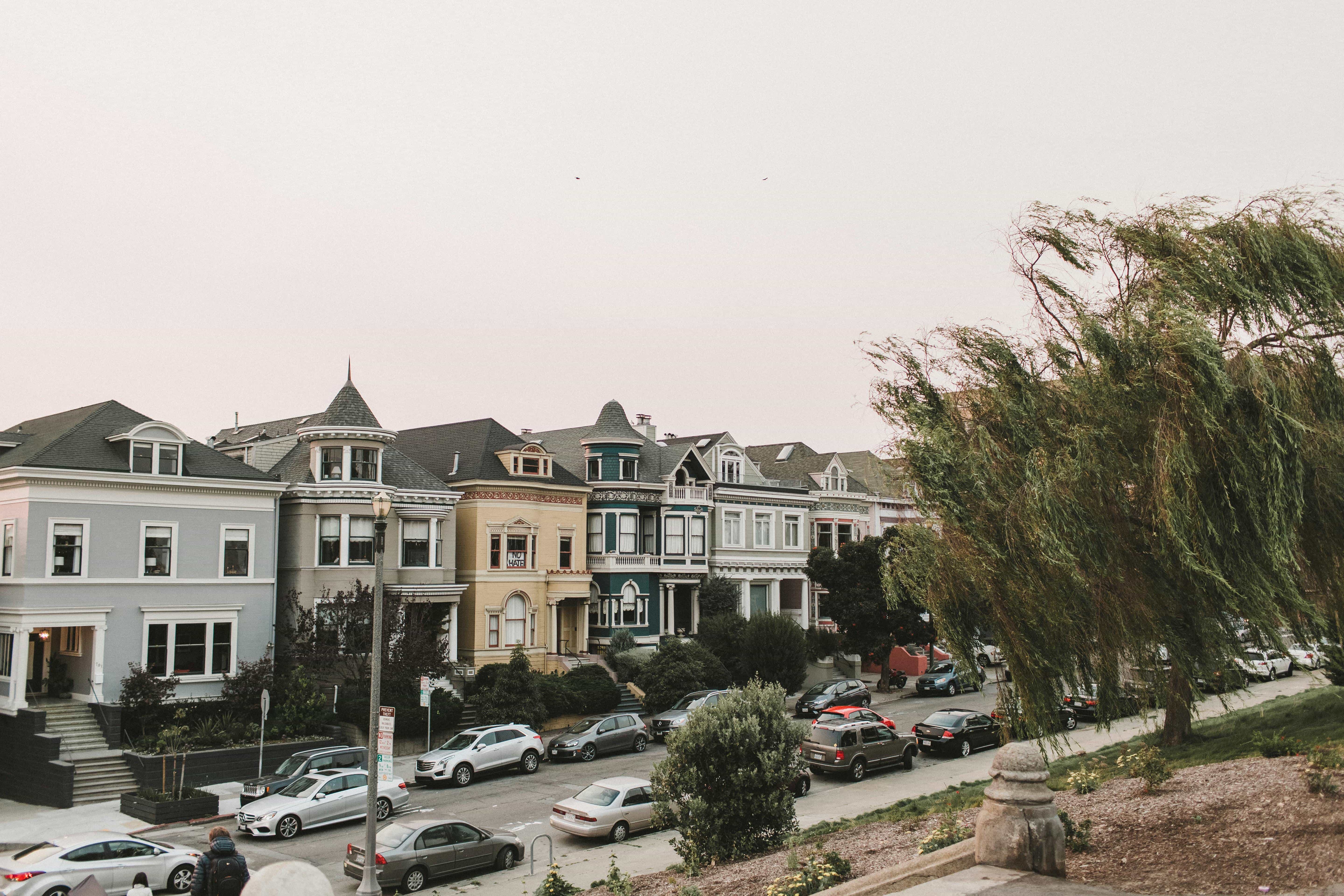
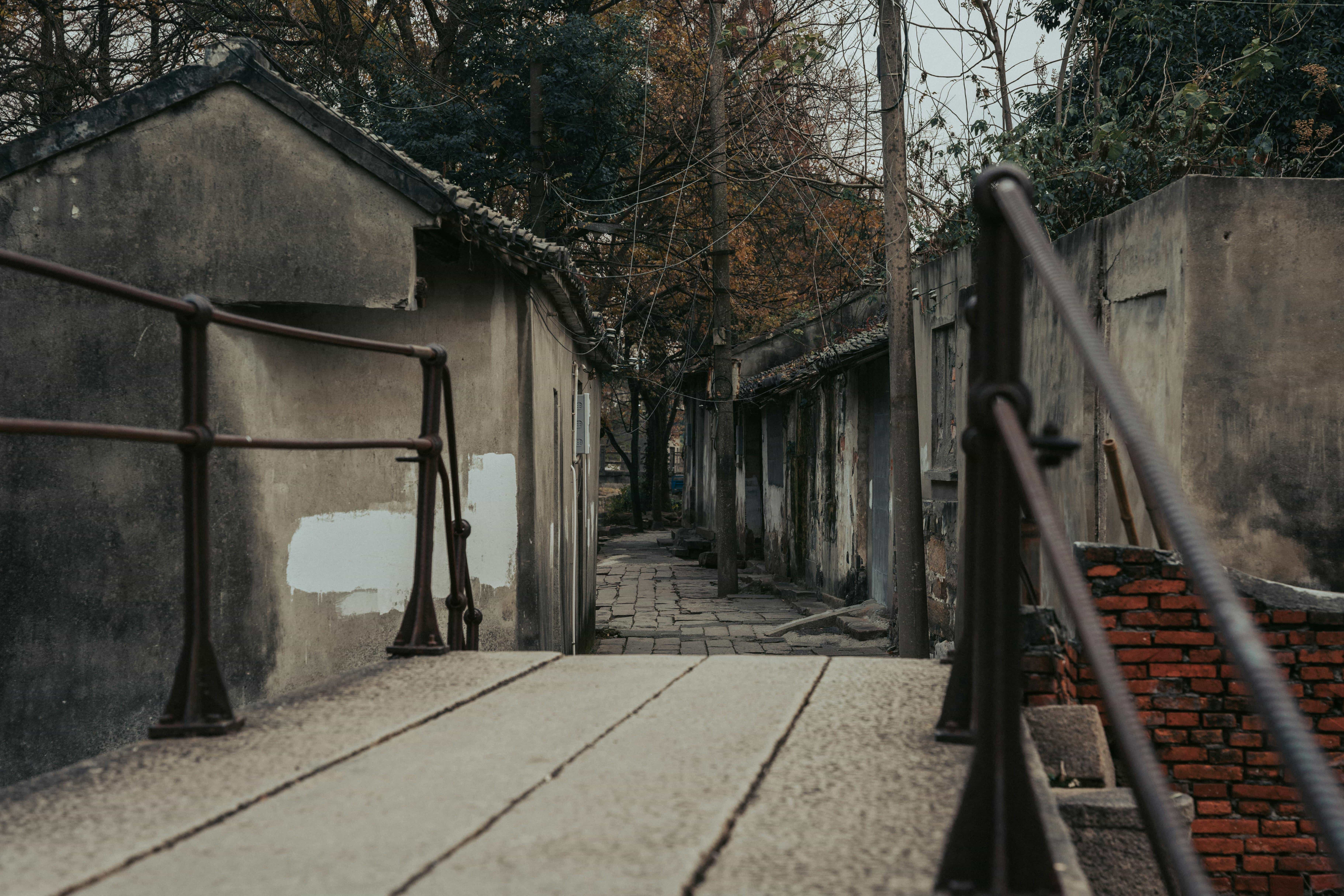
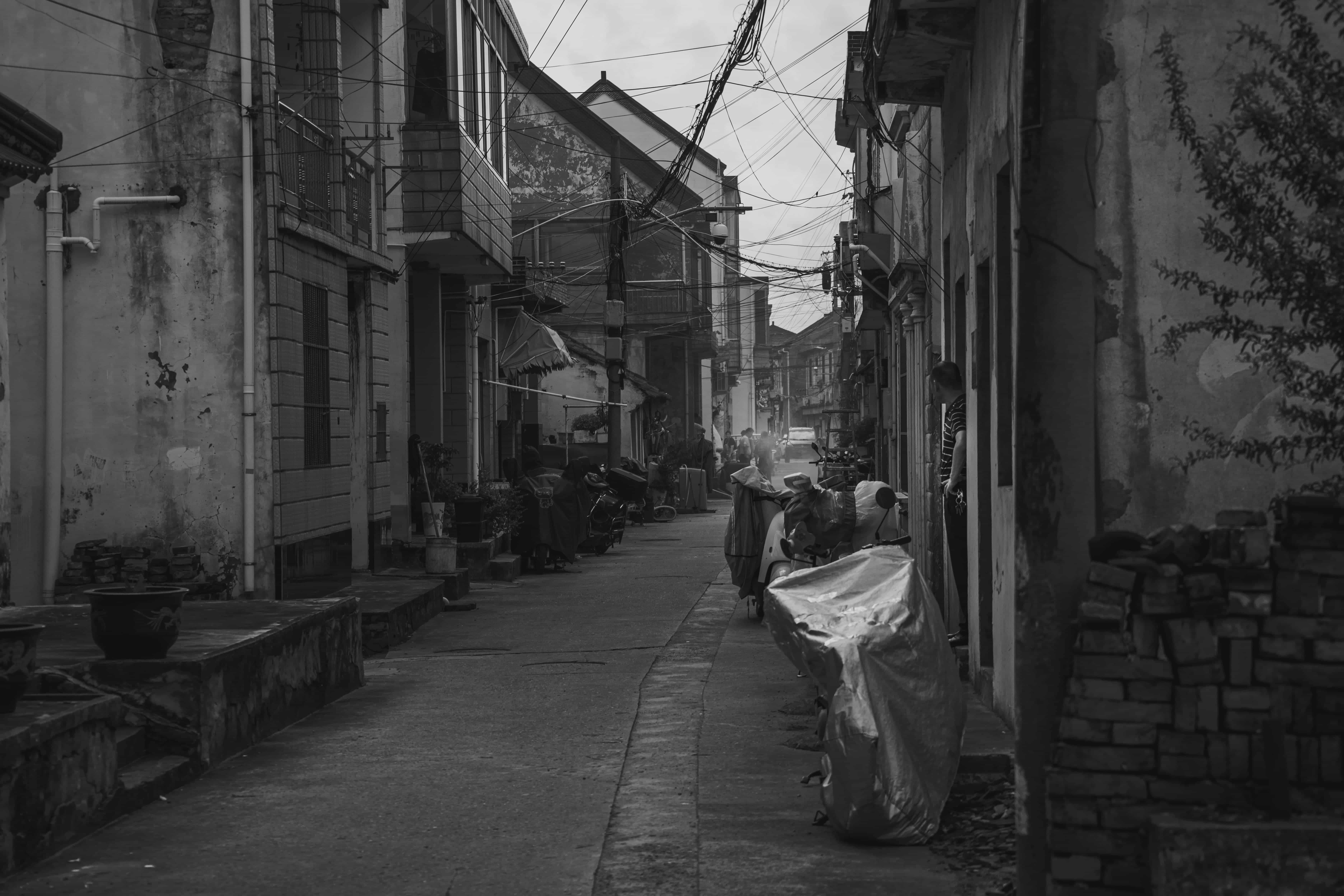
At seven-thirty on a mild spring morning, the old street looked as if it had decided to keep breathing. Metal shutters rolled up one by one. A noodle shop with yellowed menu boards sent steam into the lane. Someone hosed down a patch of sidewalk in front of a hardware store that no longer sold much hardware but still stocked light bulbs, screws, sewing needles, umbrella ribs, and batteries in a glass case older than many of its customers. An elderly man unfolded two stools and placed them outside his doorway, not for any official purpose, but because the day was beginning and a street is not fully awake until somebody is sitting on it.
This kind of place once seemed destined to disappear. For years, the story of the city was a story of replacement. Old shopfronts gave way to polished chains, familiar alleys were widened or paved over, and daily life drifted indoors, upward, and online. Convenience increased while texture thinned out. The economic logic was clear, but the emotional cost was harder to measure. People who had once known the rhythms of their blocks began living among addresses rather than neighborhoods.
And yet, in many cities, retro communities and nostalgic neighborhoods are not vanishing as quickly as predicted. Some are being restored deliberately. Others are surviving by stubbornness, routine, and the social habits of residents who continue to use public space as if it matters because it does. A heritage-minded community does not depend only on old bricks, painted signs, or decorative street lamps. Its real infrastructure is memory made practical. It is the habit of borrowing a ladder from the next shop, greeting the fruit seller by name, checking whether the tailor is back from lunch, or noticing that a neighbor’s window remained closed all morning and knocking to make sure everything is alright.
The revival of retro neighborhood living is often misunderstood as a style trend. It is easy to photograph and easy to romanticize. Weathered facades, enamel signs, mosaic floors, slow cafes, analog radios, corner bakeries, and potted plants lined up on stoops all fit neatly into the visual language of nostalgia. But communities do not survive on aesthetics alone. They survive when people continue to attach use, care, and responsibility to place.
That is what makes these streets compelling again. They are not only picturesque. They are functional social systems in an era that often leaves people lonely in highly efficient environments.
What Makes a Neighborhood Feel Retro Without Becoming a Theme Park
A retro neighborhood is not simply an old district. Many old streets have lost the qualities that made them socially meaningful. Age alone creates a backdrop, not a living culture. A genuinely nostalgic neighborhood retains several layers at once: physical continuity, local memory, daily usefulness, and a recognizable social pace.
Physical continuity matters because the built environment teaches residents how to move and meet. Narrow streets slow traffic and increase eye contact. Small storefronts support independent business models that depend on regular customers rather than national branding. Mixed-use blocks keep daily needs within walking distance. Shared thresholds such as stoops, benches, awnings, courtyards, tea counters, and convenience windows create the informal edges where conversation begins.
Memory matters because residents need a story they can locate themselves inside. The retired mechanic who remembers when the tram line still ran down the avenue is part of the neighborhood’s knowledge system. So is the bakery owner who knows which apartment receives bread on credit before payday. So is the family that has reopened a grandparents’ stationery shop and kept the hand-painted sign even while adding digital payments and a shelf of contemporary zines. Memory is not passive sentiment. It shapes trust.
Daily usefulness may be the most overlooked ingredient. If a district is preserved only for visitors, its life becomes performative. Once necessities leave, residents follow. A neighborhood that still has practical services—food, repairs, tailoring, medicine, keys, shoes, stationery, transport links, and affordable meals—has a better chance of remaining lived-in rather than displayed. Retro community life is strongest where heritage and ordinary errands continue to overlap.
Finally, pace matters. Nostalgic streets often feel different because they allow unscheduled contact. One does not move through them as efficiently as through an anonymous corridor of commerce. There is time to stop, to notice, to linger, to ask, and to remember. That slowness is not laziness. It is the social margin in which community forms.
A Day on Maple Lantern Street
To understand the appeal of heritage-minded neighborhood life, it helps to follow a street through an ordinary day. Let us call it Maple Lantern Street, though versions of it exist in countless cities.
By dawn, the first people out are the ones who still measure life in recurring tasks. The congee shop owner lifts lids from stacked steamers. A woman in house slippers waters basil and chrysanthemums beside the curb. Delivery workers arrive before offices open, balancing the new economy on vehicles that pass the old one. They park under signage faded by decades of sun, scan QR codes in front of buildings with terrazzo stairwells, and move on.
At eight-thirty, children weave around older residents doing their stretches near a pocket square planted with camellias. A corner breakfast counter serves sesame flatbread, boiled eggs, and soy milk to three generations in one hour. Office workers pick up coffee from a newer cafe that occupies what used to be a watch repair shop. Inside, the owner has preserved the original drawers and brass labels. This is not pure authenticity, if such a thing exists. It is adaptation with restraint.
By late morning, the street reveals its mixed economy. There is a vintage record stall that looks stylish online but survives mainly because it also repairs speakers and sells cables. There is a family grocer with uneven shelves and astonishingly good oranges. There is an old stationery store now frequented by teenagers hunting fountain pens, postcards, washi tape, and the idea of patience. There is a seamstress taking in trouser hems under a fluorescent light. There is a retired teacher who informally supervises the lane from a folding chair and knows everyone’s business with the precision of a librarian.
At noon, the block goes through a subtle shift. Some shops close for lunch. Others become more social. The barber takes a break with a bowl of noodles and chats with the locksmith. The florist sits in the doorway trimming stems. Two schoolboys split a bottle of soda and debate whether the lane’s best fried snack comes from the old couple near the intersection or the younger vendor with the brighter cart. The argument is not really about food. It is about belonging.
In the afternoon, repair culture becomes visible. Someone brings in a table fan with a loose switch. Someone else asks if a torn backpack zipper can be replaced. A tenant negotiates with a landlord over repainting a metal gate. Three people help an elderly resident carry a secondhand cabinet upstairs because the stairwell is too narrow for strangers to do it efficiently alone. Every such act represents a form of neighborhood intelligence that rarely appears in development proposals.
Evening is the hour when a street proves whether it still belongs to residents. If everyone leaves after business hours, the block is economically active but socially shallow. On Maple Lantern Street, the chairs come out. Children draw with chalk beside the curb. Parents stand talking while pretending they are only watching the kids. The dumpling shop sells out. A man tunes a radio. Somebody shares cut fruit. The bookstore hosts a reading not with marketing polish but with the warmth of too many people squeezed into too little room.
Night does not erase the place. It softens it. Apartment windows glow above the shops. A cyclist slows to greet a friend. A late worker picks up soup to take home. The old street remains what modern urban life often forgets to provide: a place where the practical and the emotional are not stored in separate buildings.
Why People Are Returning to Nostalgic Neighborhoods
Part of the answer is economic. In many cities, highly standardized commercial districts have become expensive, repetitive, and fragile. Independent operators increasingly look for smaller spaces with lower overhead and stronger local identity. Older neighborhoods, despite infrastructure challenges, can offer a human scale that supports niche businesses and loyal foot traffic. A carefully restored tea shop or bakery may draw visitors, but it also survives because neighbors come back often.
Part of the answer is emotional fatigue. Many people are exhausted by environments that optimize everything except attachment. Large residential compounds, car-centered districts, and uniform shopping corridors may be efficient, but they often lack visible social life. In contrast, retro communities present a legible world. The scale is graspable. Faces repeat. Sounds become familiar. Patterns can be learned. This kind of recognition lowers the psychological cost of daily life.
There is also a generational element. Younger residents who did not grow up in old neighborhoods may seek them out precisely because they offer what digital life cannot: tangible continuity, tactile material culture, and uncurated encounters. They are drawn to manual signs, old tile, inherited recipes, repair shops, secondhand goods, and the neighborhood rituals that cannot be replicated by algorithmic convenience. For older residents, these districts may preserve dignity and memory. For younger ones, they provide relief from placelessness.
Yet the most serious reason for renewed interest is that heritage-minded neighborhoods answer a civic need. Aging societies, rising social isolation, climate pressures, and economic uncertainty all increase the value of local resilience. Streets where people know one another can respond faster in a power outage, a heat wave, a public health scare, or a family emergency. Blocks with mixed use reduce transportation dependence. Repair culture reduces waste. Familiarity increases informal care. A nostalgic neighborhood is not merely sentimental. It can be structurally useful in the future.
The Tension Between Preservation and Performance
Still, every successful retro district faces the same danger: becoming too popular to remain itself.
Once a neighborhood becomes legible to tourism and lifestyle media, capital moves in quickly. Rents rise. Businesses that served residents can be replaced by concept cafes, curated boutiques, and aesthetic replicas of the very daily life they displace. The language of preservation can be used to market sanitized versions of community while pushing out the people whose routines created it.
This is the paradox of nostalgic neighborhoods. Their appeal comes from accumulated authenticity, but that authenticity becomes economically valuable only after outsiders recognize it. A street can go from neglected to celebrated in just a few years, and the transition is not always gentle.
Some of the warning signs are obvious. A sudden concentration of businesses selling the image of local life rather than its necessities. Operating hours designed for visitors rather than residents. Renovations that preserve facades while gutting interior functions. Public spaces that look active but feel transactional. Rental turnover that weakens intergenerational continuity. More cameras and fewer chairs.
The answer is not to freeze a neighborhood in time. Communities must evolve. Buildings need upgrades. New residents should be welcomed. New businesses can bring life and resources. The question is whether change deepens local use or merely extracts atmosphere.
A healthy retro community is not anti-modern. It uses modern tools selectively. Digital payments, safer wiring, better drainage, retrofitted insulation, upgraded sanitation, accessible ramps, shared logistics, and local business promotion can all help old streets remain viable. Preservation works best when it protects patterns of use, not just visual surfaces.
The People Who Keep Heritage-Minded Streets Alive
Whenever a nostalgic neighborhood survives, there are stewards behind it, though they may never use that word.
They include long-term residents who continue everyday habits that maintain social continuity. They include shopkeepers who choose not to over-renovate because they understand that familiarity is part of their value. They include younger entrepreneurs who move in respectfully, learn the street’s tempo, and build businesses that complement rather than overwrite existing life. They include local historians, architects, tenants’ groups, and mutual aid organizers. They include city officials when policy is thoughtful enough to recognize that heritage is lived, not just designated.
There is often one person on every block who informally connects everyone else. Sometimes it is the pharmacy owner. Sometimes the woman who runs the breakfast counter. Sometimes the resident who seems to know who needs a spare key, whose child needs tutoring, and whose mother has been ill. This local connector is as important as any renovated facade. Community life depends on visible, repeated trust.
Children matter too. A street without children in the evening may still be beautiful, but it no longer feels fully inhabited. Families bring rhythms that extend beyond consumption. School runs, snack stops, after-dinner walks, improvised games, and intergenerational encounters all thicken social fabric. In many revived retro neighborhoods, parents are choosing these districts because they offer something that master-planned convenience often cannot: a child-scaled world where familiarity exists outside the home.
What the Future of Old Streets Might Look Like
The most promising version of neighborhood revival does not aim to recreate the past exactly. It asks a better question: what should we carry forward from older forms of community life into contemporary cities?
The answer may include walkability, mixed-use density, repair economies, local food culture, small-scale entrepreneurship, visible aging in place, and public thresholds where casual interaction becomes normal again. It may include more housing above shops, more adaptive reuse, more flexible zoning for small businesses, more protection for legacy tenants, and more public seating designed for actual use rather than visual order.
Future heritage-minded communities will probably be hybrid spaces. They may have fiber internet behind century-old walls, climate-adapted drainage under old stone lanes, and neighborhood messaging groups that support the same social ties once carried by open windows and shouted greetings. The challenge is not whether old streets can modernize. It is whether modernization can remain humble enough to serve human scale.
Urban planners often discuss resilience in terms of infrastructure, finance, and environmental systems. All of that matters. But resilience is also social. It resides in whether people recognize each other, whether they can ask for help without ceremony, whether they have places to gather without paying an entrance fee, and whether local memory still has somewhere physical to live.
Retro communities are not automatically equitable, and nostalgia should never blind us to the hardships that older districts can carry—crowded housing, weak accessibility, inadequate services, or uneven maintenance. But if renewal is done well, these neighborhoods can become some of the most humane urban environments available: layered, affordable in function if not always in rent, and resistant to the loneliness of purely transactional city life.
The Lessons Hidden in Everyday Scenes
What makes the revival of nostalgic neighborhoods so powerful is that it does not always announce itself in grand gestures. It appears in scenes that are almost too ordinary to notice. A repaired bicycle leaning outside a family store. A shelf of handwritten tabs in a pharmacy. Someone passing over a bowl of soup to a neighbor who had a difficult week. A teenager buying postcards in a stationery shop that could easily have become a minimalist cafe but did not. A landlord allowing an old sign to stay because it belongs to the street’s face. A bench that remains unofficial but indispensable.
These details matter because they reveal a broader truth: urban life works better when places are allowed to remember. Not remember in a purely archival sense, but remember through use. Streets remember when residents keep traditions alive, when buildings retain clues to earlier lives, when commercial routines overlap with emotional commitments, and when a community chooses continuity without refusing change.
There is a reason so many people stop, exhale, and slow down when they enter a genuinely lived-in old neighborhood. They are not simply admiring the past. They are recognizing a form of social abundance that modern development often struggles to produce. The street offers evidence that a city can still be intimate, that history can remain useful, and that neighborhood life can be both retro and forward-looking at once.
SEO Keywords and Search Intent
- retro communities and neighborhood revival
- nostalgic neighborhood living ideas
- old street community life benefits
- heritage-minded neighborhood design
- why people love retro neighborhoods
- preserving old streets without gentrification
- walkable nostalgic communities
- mixed-use heritage district lifestyle
- community life in historic neighborhoods
- how to revive an old neighborhood street
Final Thoughts
The old street is not valuable because it looks old. It is valuable because it still knows how to host human life at close range.
That may be the real promise behind the return of retro communities. In a time when many people feel overscheduled, overconnected, and under-rooted, nostalgic neighborhoods offer more than atmosphere. They offer a civic grammar of belonging. They remind us that local life is built from repetition, repair, memory, and small acts of recognition. They show that heritage is strongest not when it is put behind glass, but when it remains embedded in everyday use.
When the chairs come out at dusk and the shops glow softly into the evening, the lesson becomes clear. The future of community may not depend on inventing something entirely new. It may depend on noticing what old streets have been teaching us all along.