
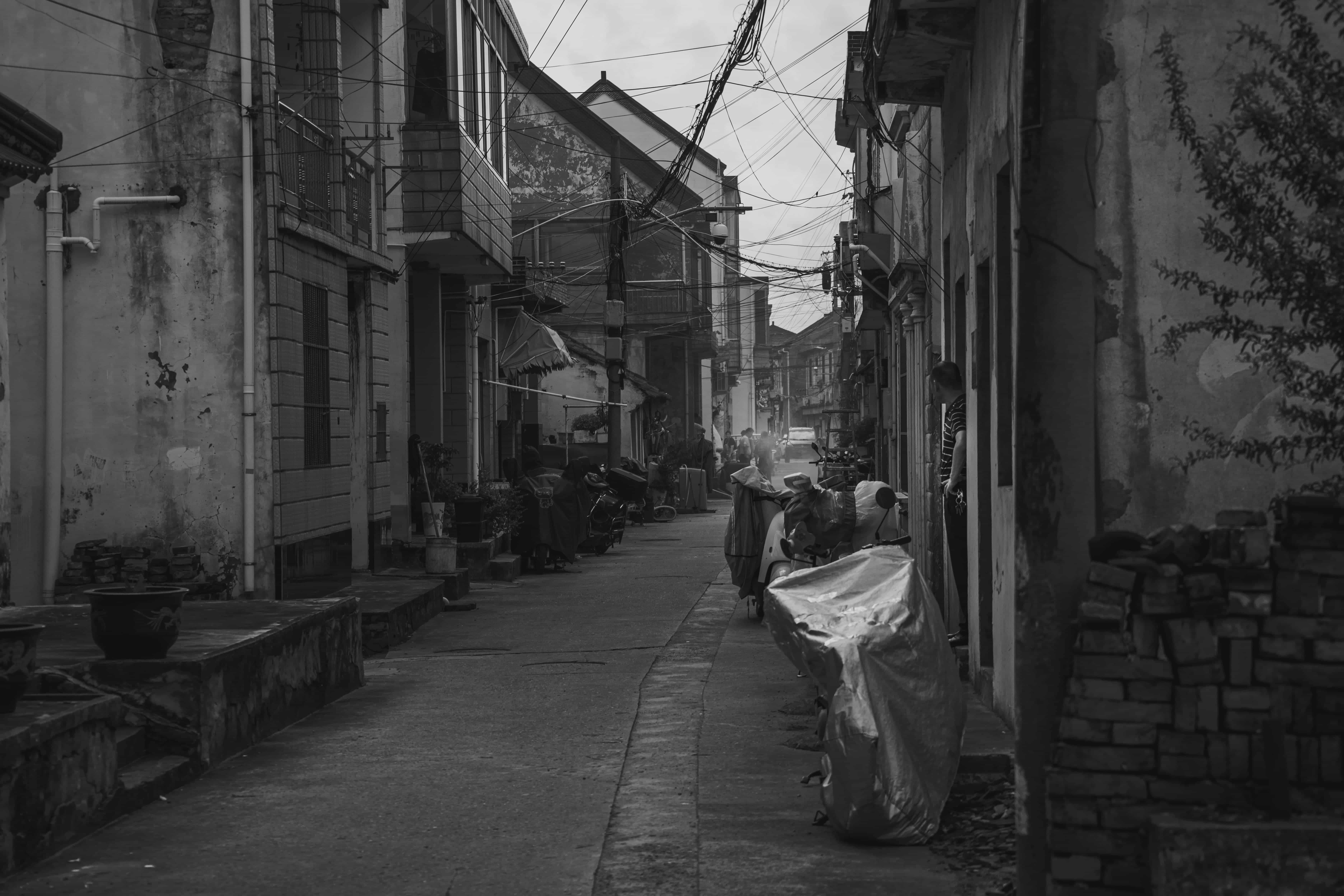
When the Street Remembers: A Narrative Feature on the Quiet Return of Retro Neighborhood Life
A vivid street-level narrative shows how stools, shop shutters, breakfast steam, and familiar routines quietly bring an old block back to life.
Featured Stories
Curated stories exploring the culture, history, and renewal of classic neighborhoods.
A vivid street-level narrative shows how stools, shop shutters, breakfast steam, and familiar routines quietly bring an old block back to life.

This piece pushes back on easy stereotypes and argues that old neighborhoods work because memory, trust, and daily legibility are built into ordinary life.
Open article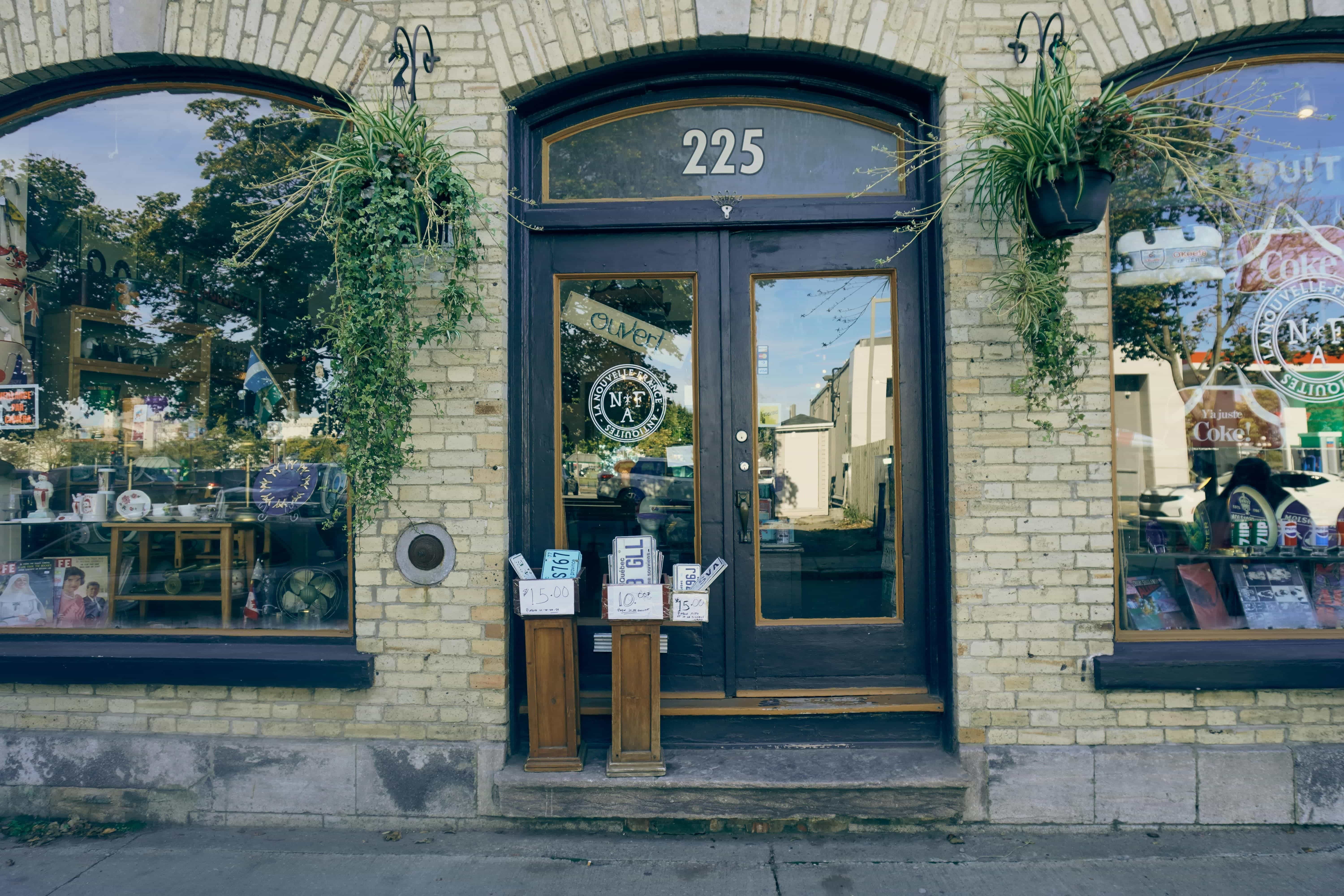
From shutters and vendors to footsteps and courtyard voices, the article explains how repeated neighborhood sounds create memory and belonging.
Open article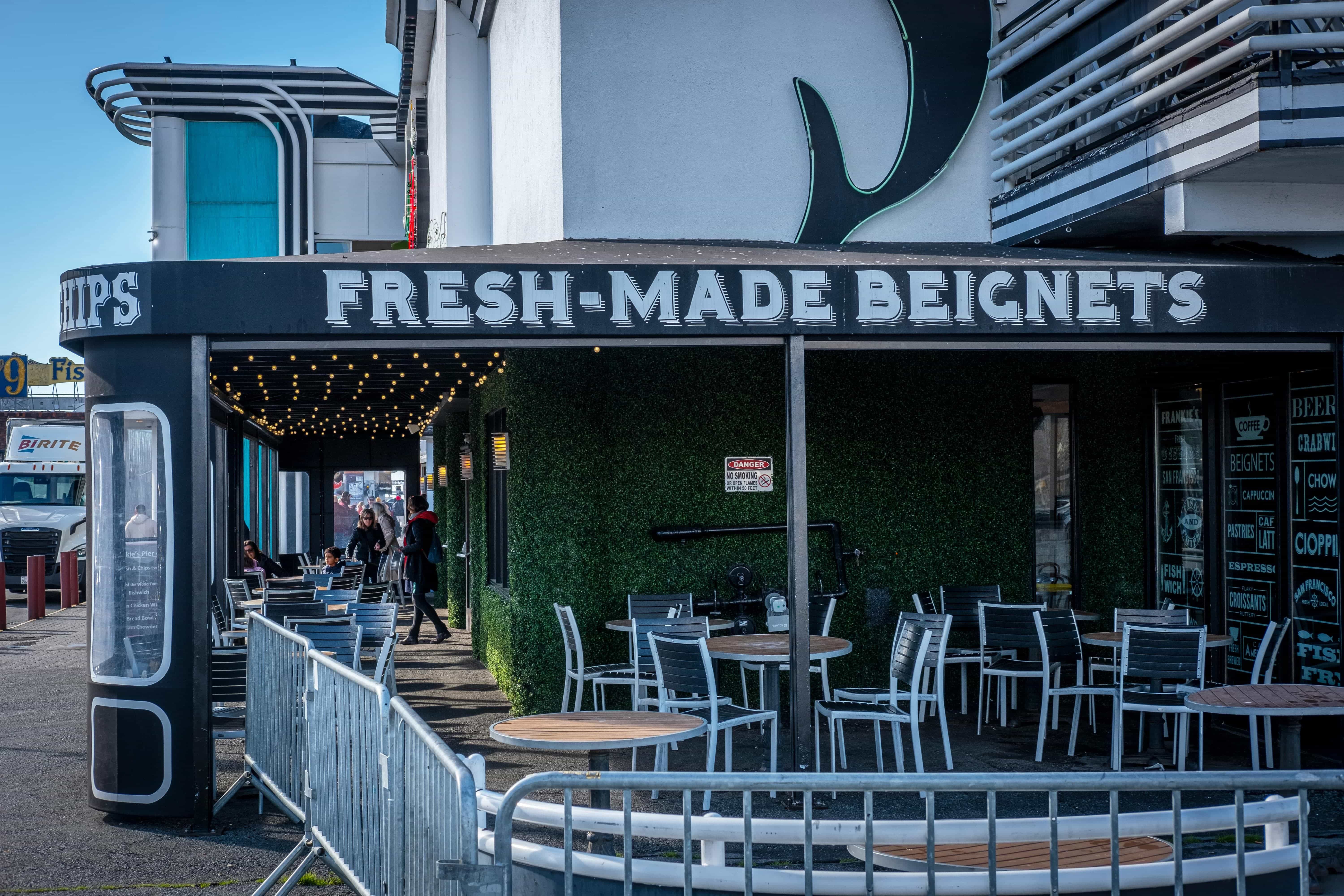
A slow observational walk reveals that the character of an old street is best understood through pacing, attention, and the feel of lived-in details.
Open article
Laundry rails, open doors, stools, and improvised thresholds reveal how small domestic gestures give nostalgic streets their social texture.
Open articleLatest Updates
Expert views and real stories shaping the future of historic neighborhoods.
A vivid street-level narrative shows how stools, shop shutters, breakfast steam, and familiar routines quietly bring an old block back to life.
This piece pushes back on easy stereotypes and argues that old neighborhoods work because memory, trust, and daily legibility are built into ordinary life.
Read updateFrom shutters and vendors to footsteps and courtyard voices, the article explains how repeated neighborhood sounds create memory and belonging.
Read updateA slow observational walk reveals that the character of an old street is best understood through pacing, attention, and the feel of lived-in details.
Read updateLaundry rails, open doors, stools, and improvised thresholds reveal how small domestic gestures give nostalgic streets their social texture.
Read updateFAQ
We keep the archive open so readers, researchers, residents, and planners can learn from old neighborhood case studies without a paywall.
The site is built as a public-facing editorial archive. Its purpose is to share practical knowledge about old neighborhood management, renewal, preservation, and community life with the widest possible audience.
Yes. Every category and every article on the site is open access. Readers can browse management stories, neighborhood memory pieces, and preservation-related content without any subscription or one-time fee.
Topics like housing adaptation, heritage-minded renewal, and local street management are more useful when they can be referenced freely by residents, students, journalists, and urban practitioners.
The current editorial approach is to keep article access open across all categories. If new services are introduced later, the article archive itself can still remain the free, public knowledge layer of the site.
Category Columns
Each category block below reads directly from the dataset and highlights its lead article plus supporting stories.
Category Spotlight
Laundry rails, open doors, stools, and improvised thresholds reveal how small domestic gestures give nostalgic streets their social texture.
Read featureThis piece pushes back on easy stereotypes and argues that old neighborhoods work because memory, trust, and daily legibility are built into ordinary life.
Open articleFrom shutters and vendors to footsteps and courtyard voices, the article explains how repeated neighborhood sounds create memory and belonging.
Open articleA slow observational walk reveals that the character of an old street is best understood through pacing, attention, and the feel of lived-in details.
Open articleCategory Spotlight
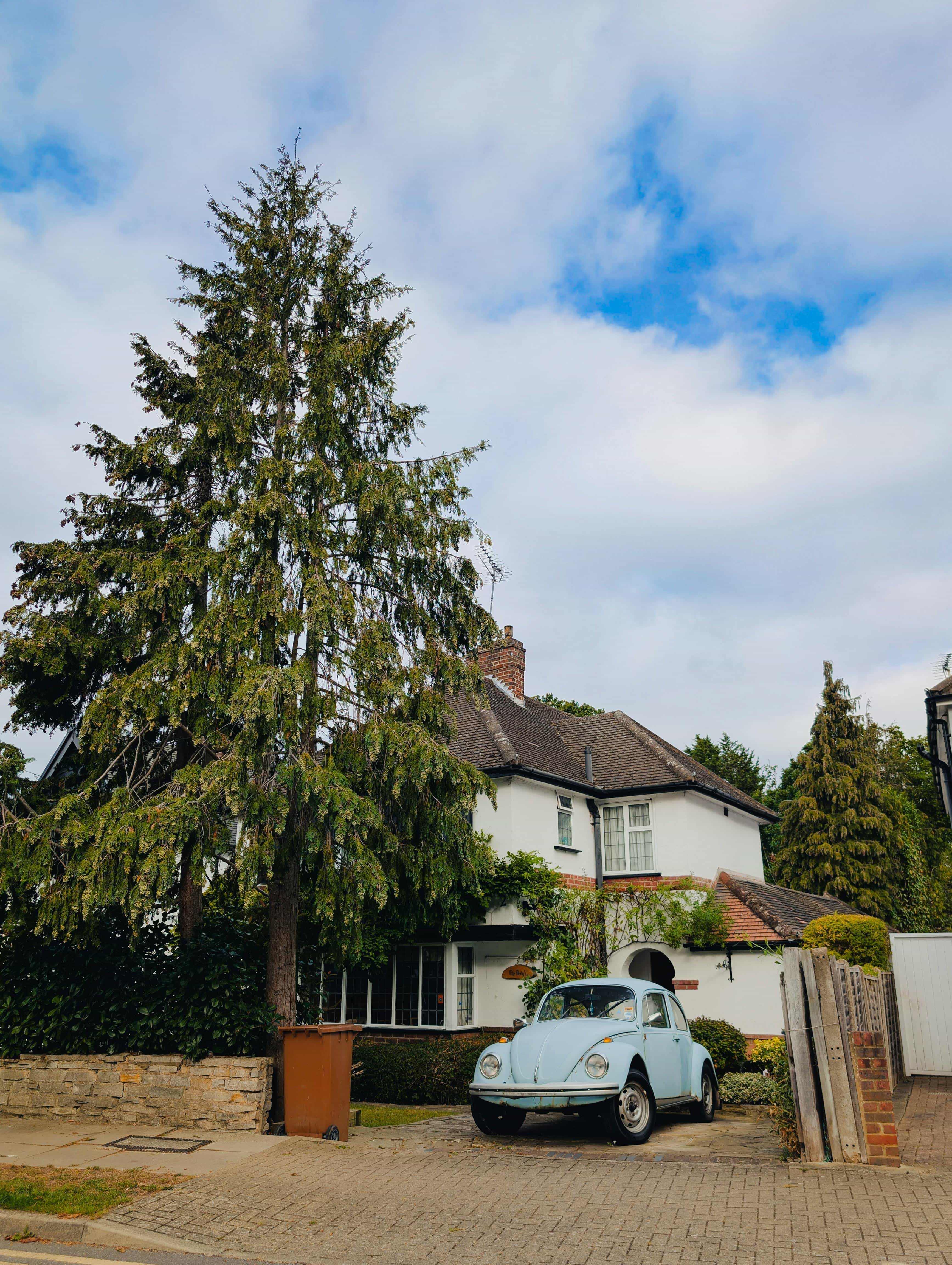
Small acts of repair, from mending shutters to fixing stools and signs, are presented as the hidden labor that keeps heritage usable and alive.
Read feature
The article breaks down the repeatable spatial and social patterns that make a neighborhood feel humane, memorable, and genuinely lived in.
Open article
Instead of copying old facades, this guide explains how walkability, local commerce, public edges, and repeated routines can produce authentic community life.
Open article
Street vendors are shown as practical economic infrastructure that supports convenience, trust, adaptation, and daily circulation on old streets.
Open article